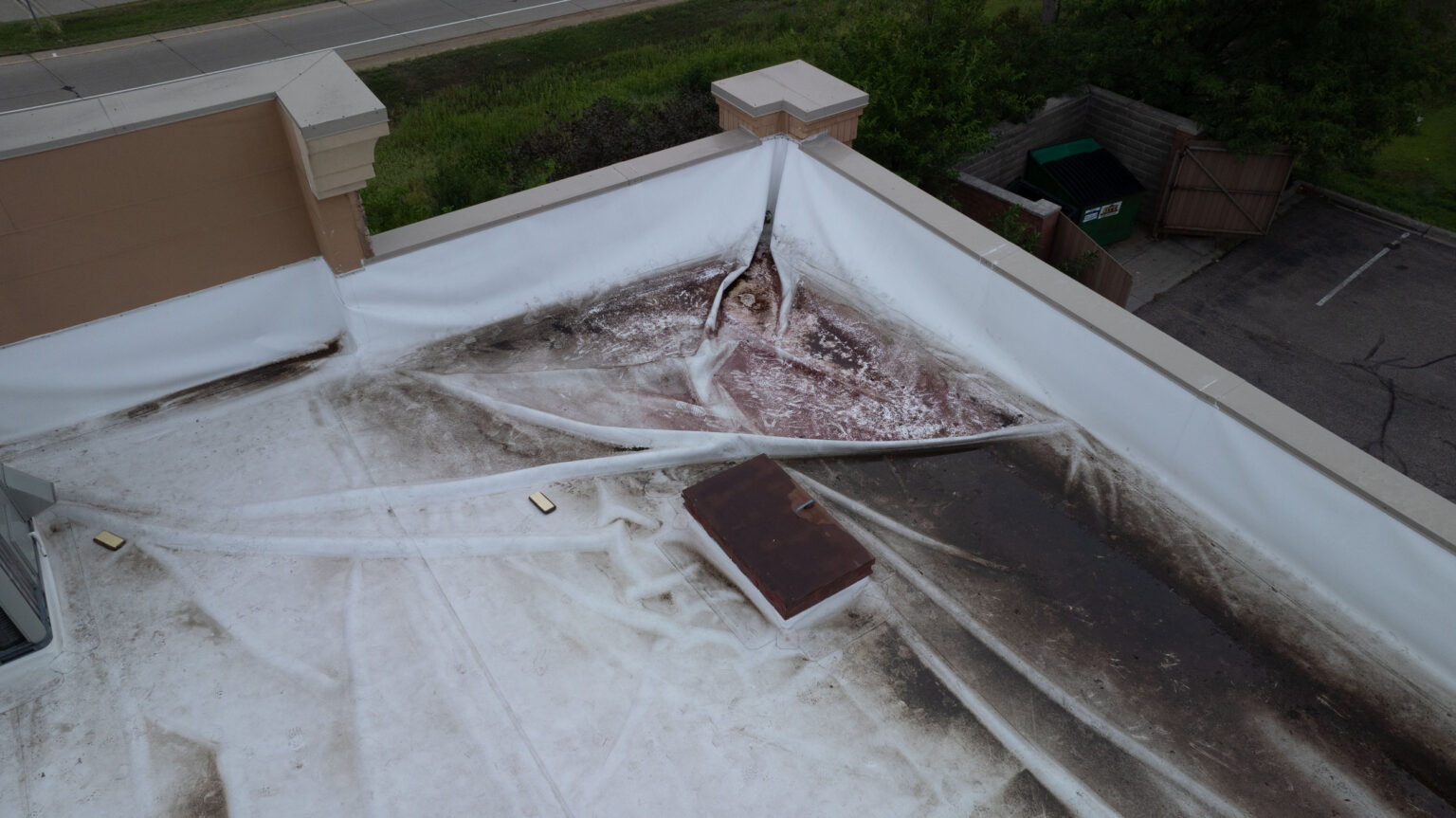
Insurance claim coordination on a commercial roof is mostly a scheduling and documentation problem before it is anything else. An owner has a damaged roof, an insurance company that needs to inspect it, and a business that needs to keep operating, and those three things do not naturally line up on their own. We coordinate the roof-side pieces: getting the inspection done quickly, having the documentation ready before the adjuster arrives, and keeping the repair scope aligned with what the claim review actually requires.
We are a roofing contractor, not a public adjuster. We do not file the claim, negotiate the settlement, or represent the owner in coverage discussions with the carrier. What we coordinate is the roof-side timeline, inspection, documentation, the adjuster walk, and the repair scope, so the owner is not the one chasing down every piece separately.
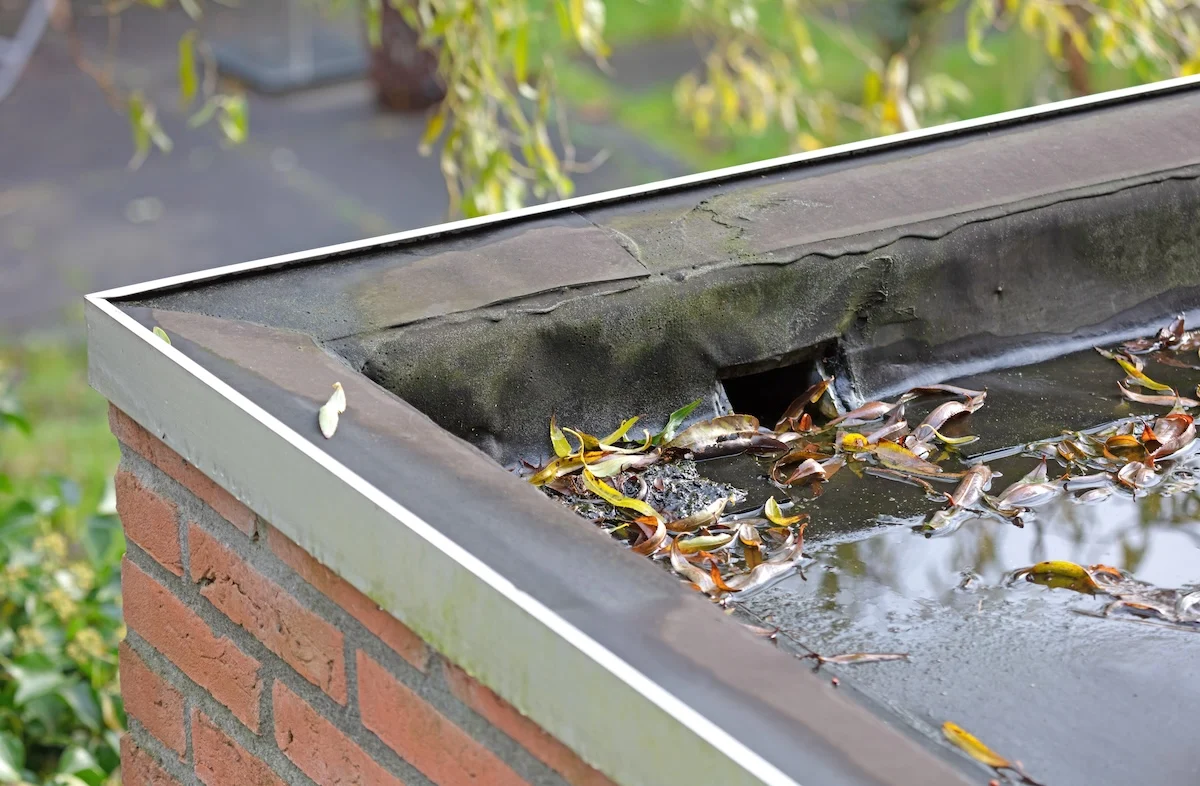
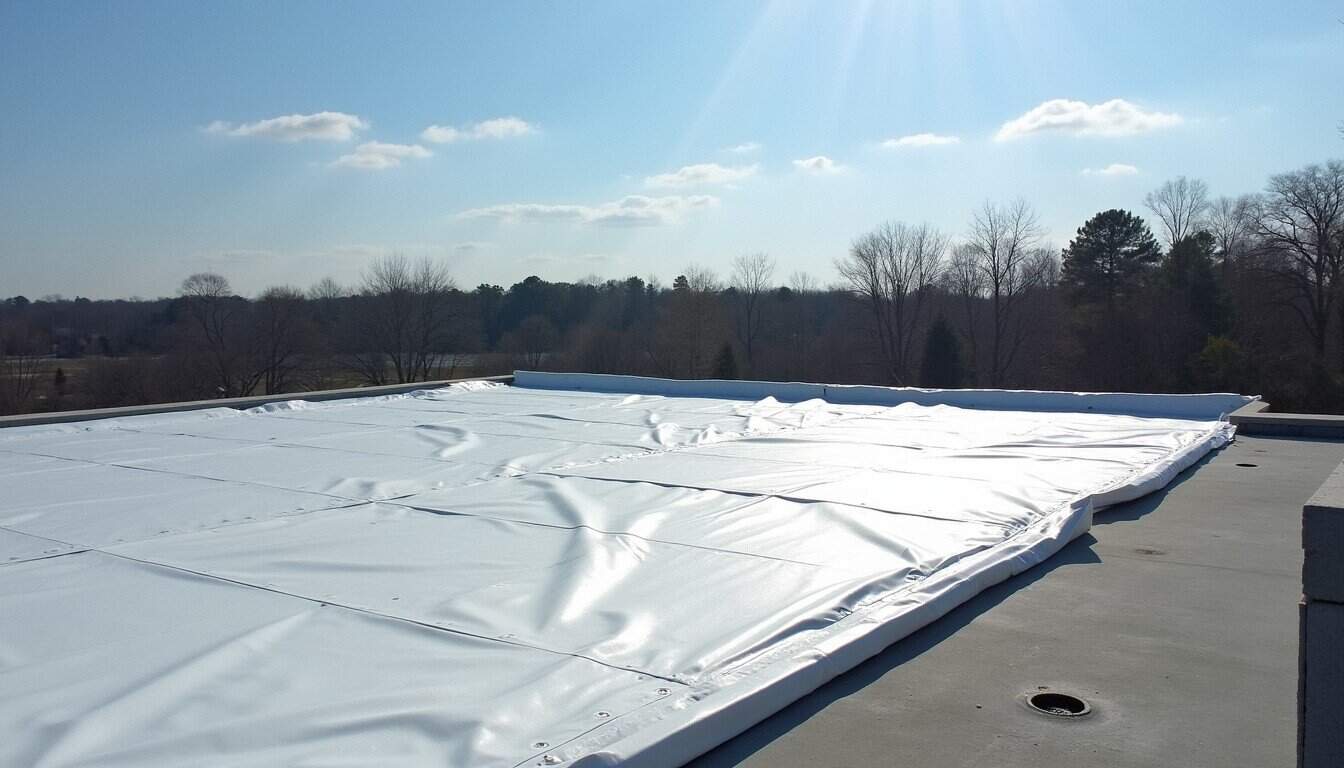
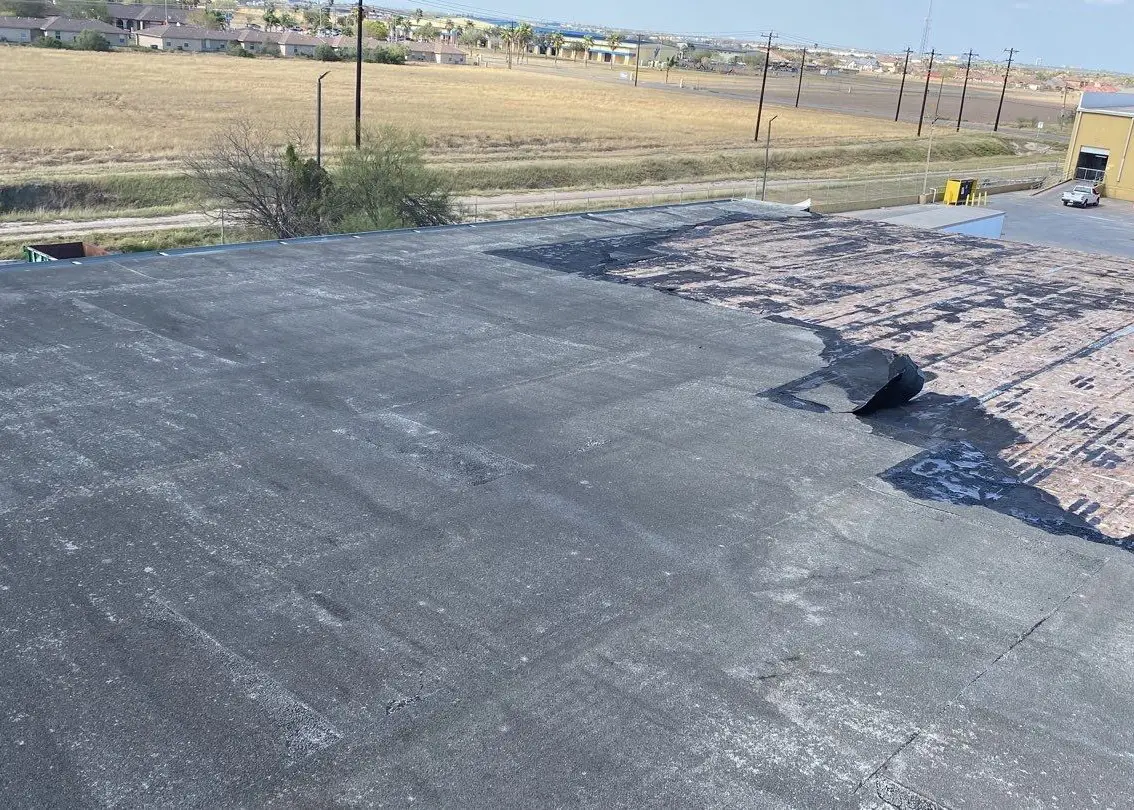
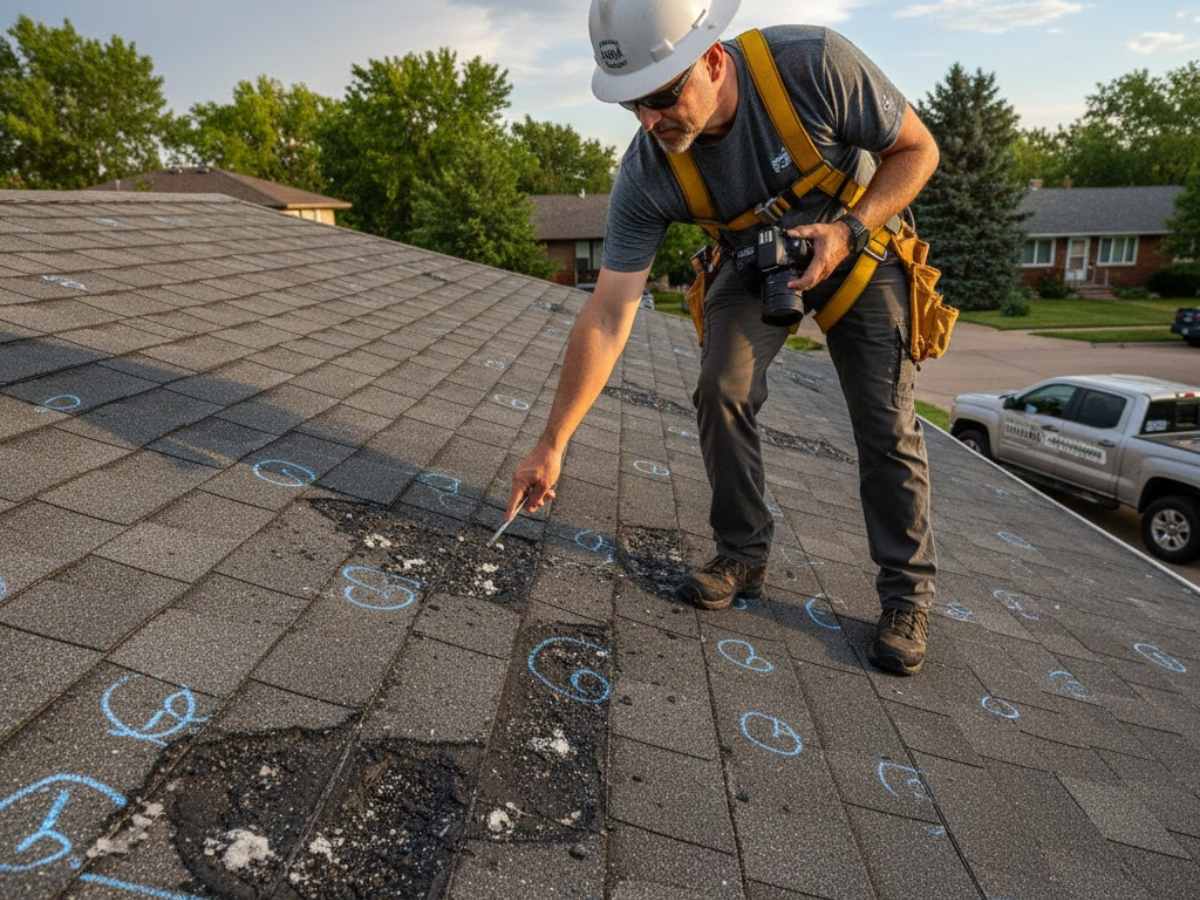
The first coordination step is getting eyes on the roof before conditions change. Wet insulation spreads, a loose seam gets worse in the next wind event, and interior damage can expand while everyone is waiting on a callback. We schedule the initial inspection fast, document what we find with photos and measurements, and have that record ready the moment the carrier is ready to look at the roof.
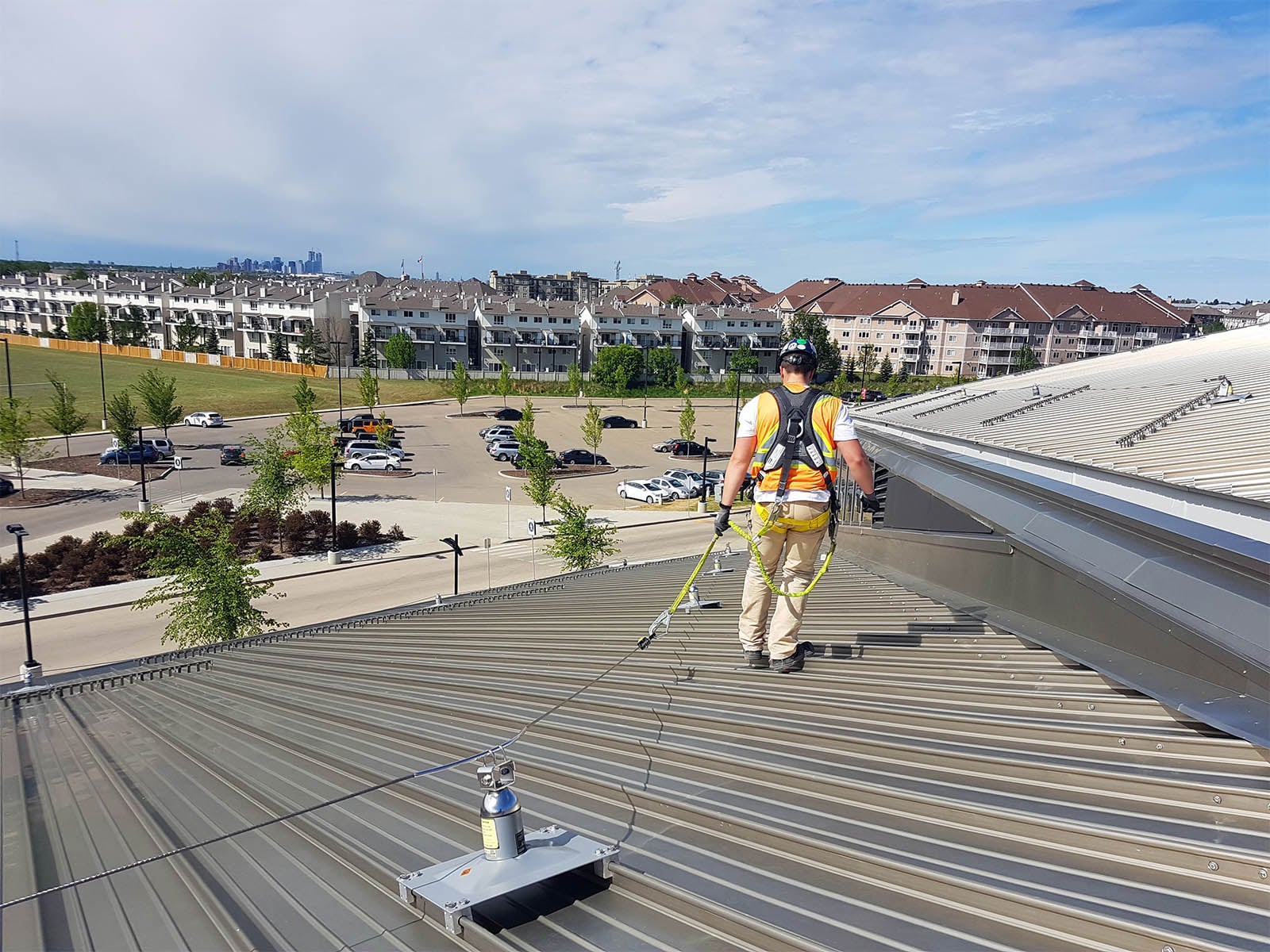
Scheduling the adjuster walk is where coordination earns its keep. We work around the adjuster's availability and the owner's operating hours, confirm access, and walk the roof alongside the adjuster so the conditions we documented earlier match what gets reviewed in person. On an occupied building, that often means planning around business hours, tenant schedules, or a facility's own security and access requirements.
Complete-scope framing carries through the coordination process the same way it does on any commercial roof claim. If code requires an insulation upgrade, a drainage tie-in, or edge-metal replacement to bring a repaired section current, that goes into the documented scope from the start rather than becoming a change order discovered mid-repair. Coordinating the claim well means the scope the carrier reviews is the same scope that gets built.
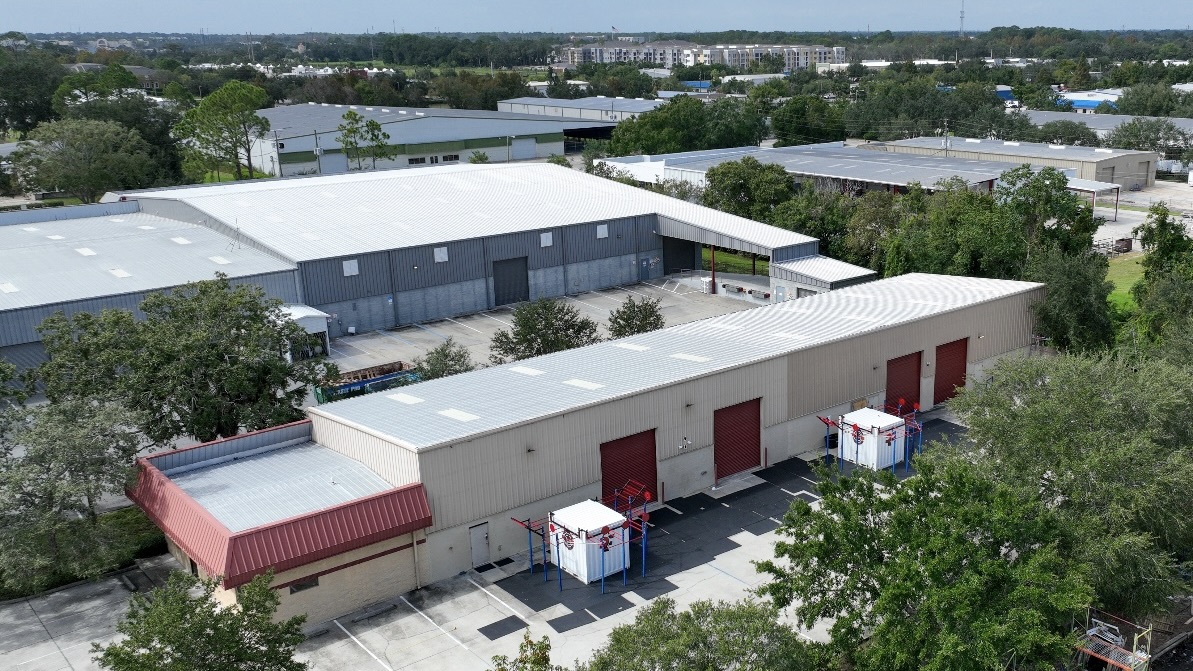
For multi-building owners and property managers, coordination often means tracking several roofs through claim review at different stages at once. We keep each property's documentation, adjuster contact, and repair timeline organized separately so nothing gets mixed up between buildings, particularly useful across the Fresno portfolio owners we work with who manage retail, industrial, and multifamily roofs under one management umbrella.
When a claim comes back with questions or a lower number than the roof condition supports, coordination continues past the first review. We can re-inspect, add documentation, or clarify scope items the carrier flagged, and hand that updated information to the owner or their adjuster for the next round. We stay in the loop on the roof-side facts; the owner and their insurance representative manage the claim decision itself.
Once the claim is settled and repair work is approved, coordination shifts to scheduling the actual repair around the building's operations, access routes, staging areas, noise windows, and interior protection, and keeping closeout documentation organized so the file is complete when the work is done. That closeout record, tied back to the original claim documentation, gives the owner a clean paper trail from first inspection to finished repair.
Commercial Roofing Contractors of Fresno coordinates insurance claim documentation and scheduling for commercial roofs across Fresno, Clovis, Madera, Sanger, Selma, Kingsburg, Hanford, Lemoore, Visalia, Tulare, and Merced. Call early in the process, the sooner coordination starts, the fewer delays the claim runs into later.
Coordination Questions Owners Ask
What does insurance claim coordination actually include?
Scheduling the roof inspection, organizing photo and measurement documentation, coordinating the adjuster walk-through, and keeping the repair scope aligned with what the claim review requires, all on the roof side of the process.
Do you handle the claim paperwork for us?
No. We coordinate the roof inspection, documentation, and scheduling. The owner or their insurance representative files and manages the claim itself; we are not a public adjuster.
Can you work directly with our property management company?
Yes. We regularly coordinate with property managers and multi-building owners, tracking documentation and scheduling separately for each roof under review.
How soon should coordination start after damage is discovered?
As soon as possible. Wet insulation and loose details tend to get worse while a roof waits on inspection, so an early start protects both the building and the accuracy of the documentation.
What happens if the adjuster's schedule does not match ours?
We work around it. Coordination includes rescheduling as needed to make sure the roof conditions we documented match what the adjuster reviews in person.