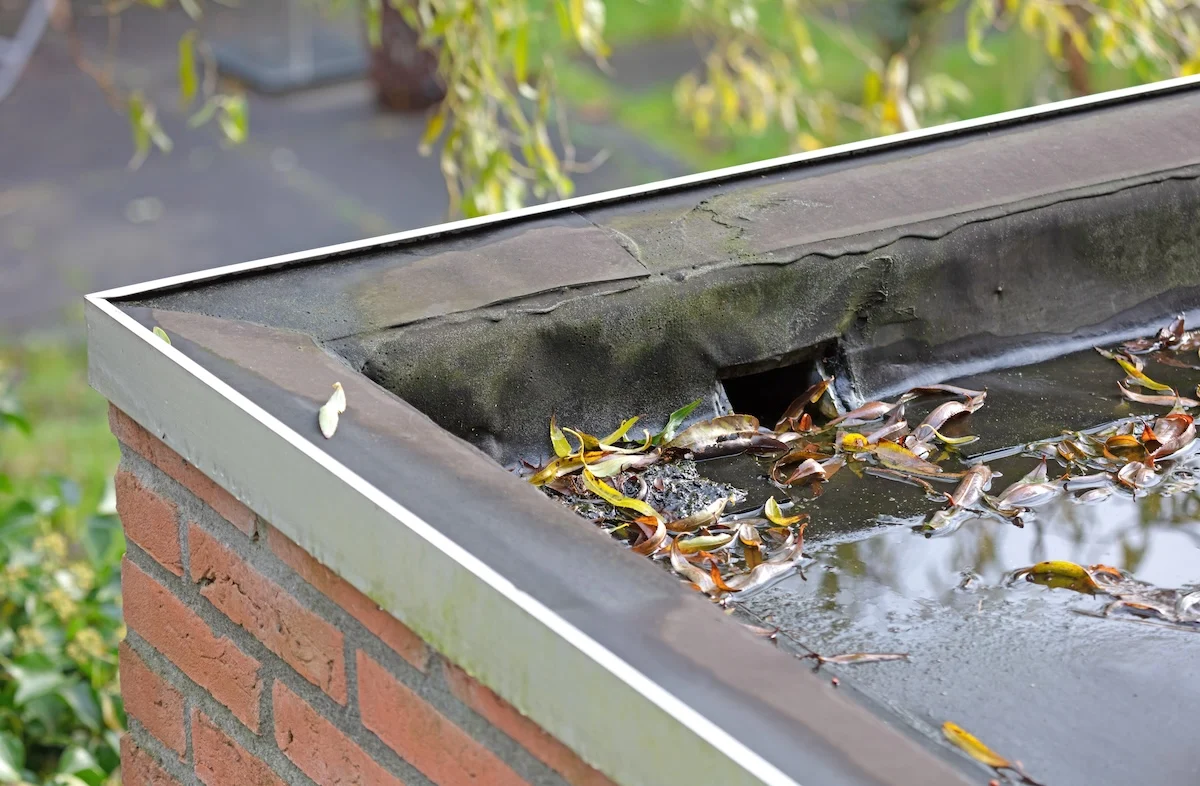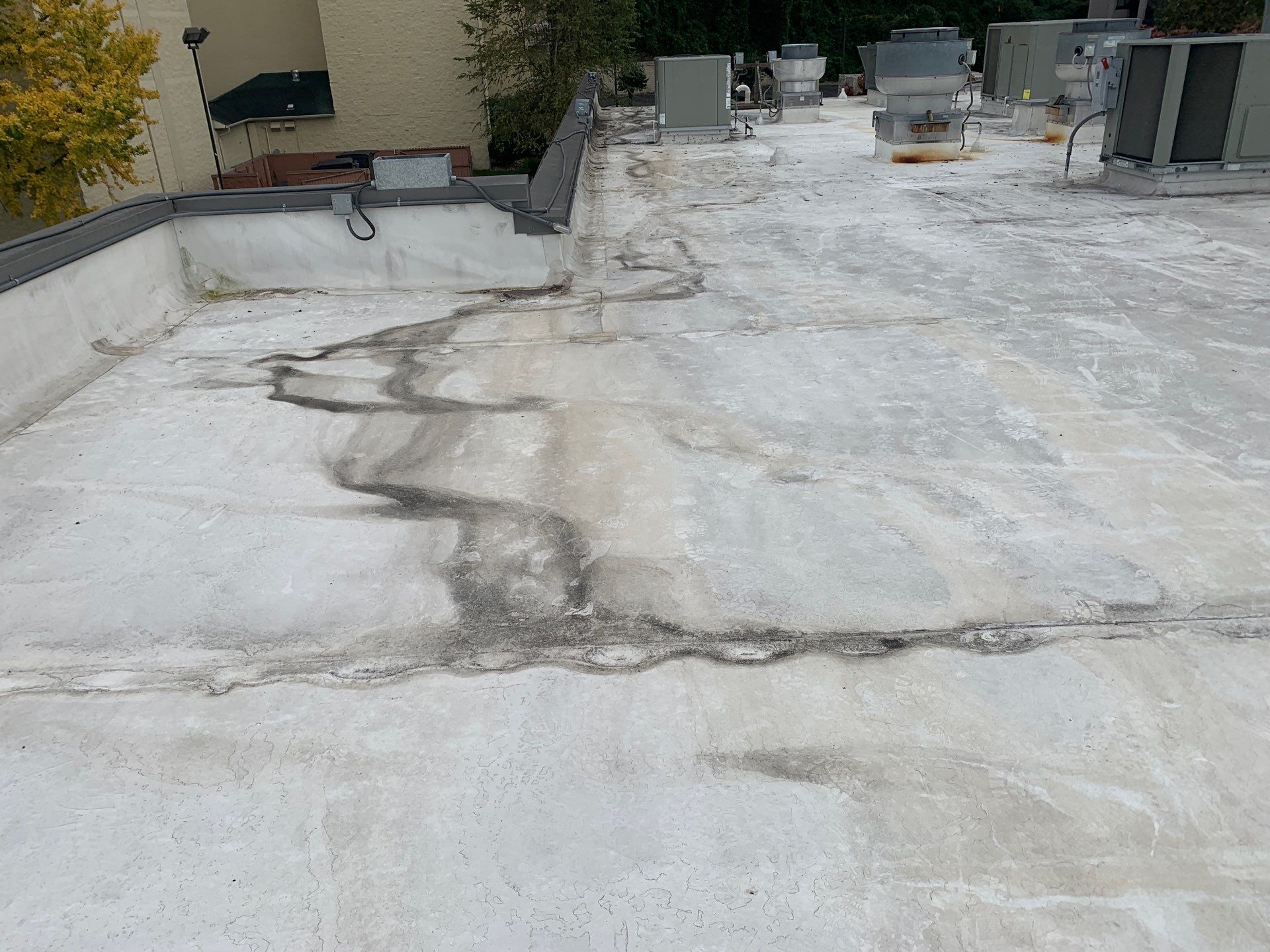
Winter in the San Joaquin Valley brings atmospheric-river storms, long bands of Pacific moisture that can drop heavy, sustained rain on Fresno over one or two days after weeks of dry weather. For a commercial roof, that kind of rain finds every existing weakness at once: a seam that has been slowly opening, a scupper that was already half-clogged, flashing that was holding by a thread. When an owner calls after one of these systems moves through, our first job is separating water that entered through storm-caused damage from water that found a pre-existing opening the storm simply exposed.
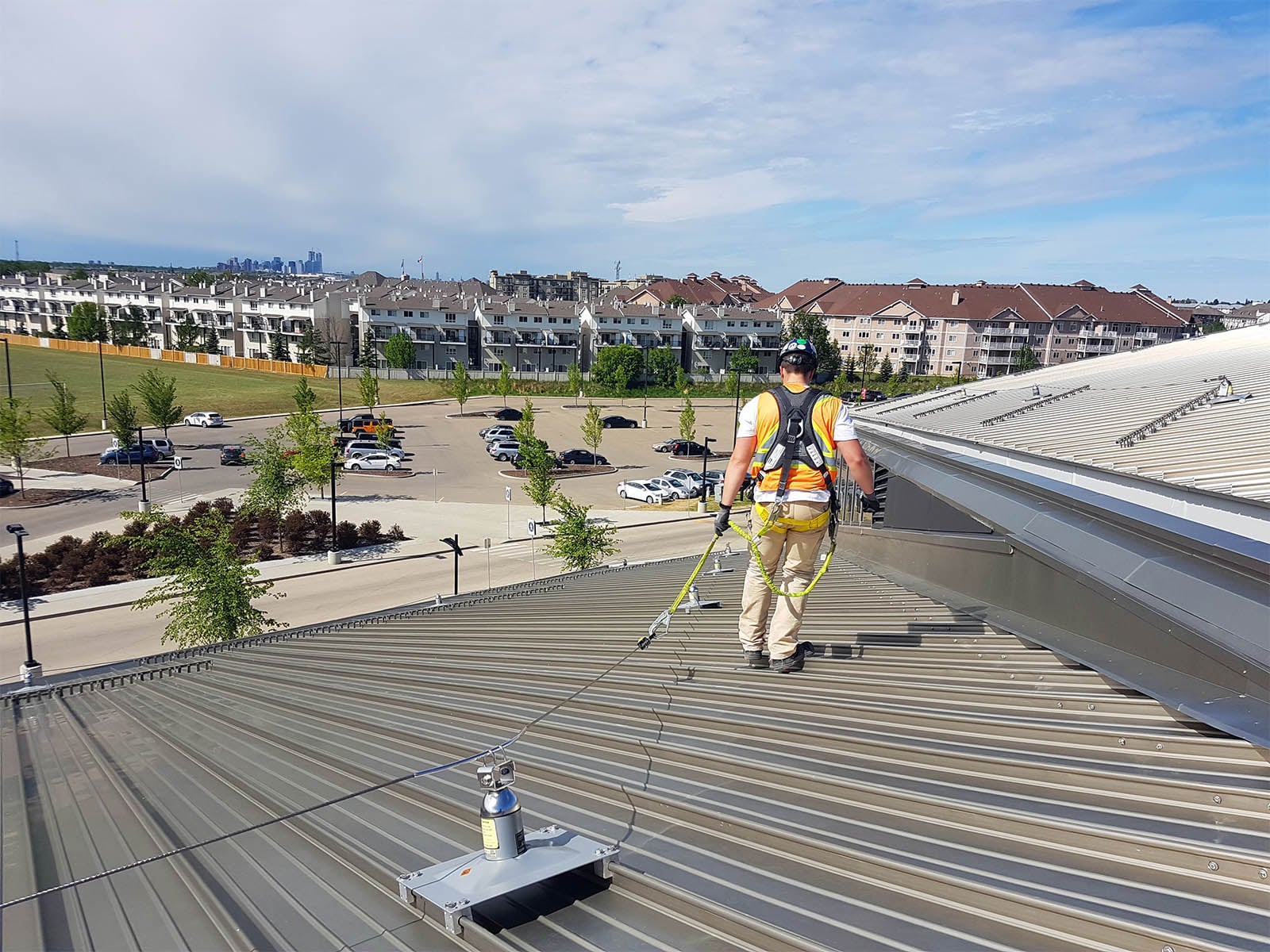
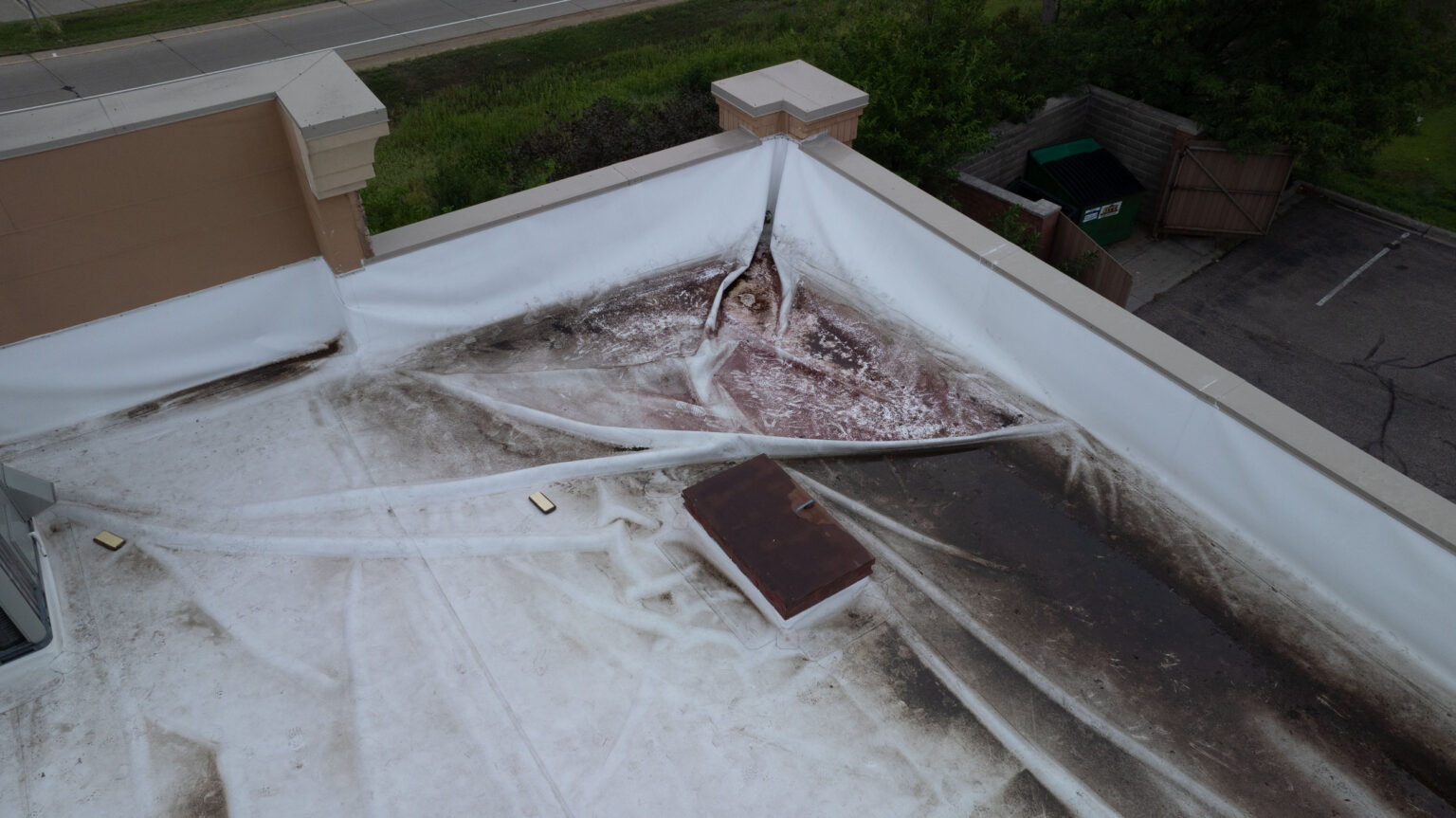
Dry valley wind is the other half of Fresno's storm picture, and it behaves differently than rain. Wind-driven roof damage here tends to show up as uplift at parapets and corners, lifted or torn membrane at the perimeter, and coping or edge metal that has worked loose from repeated gusts rather than one violent event. Documenting a wind claim means walking the entire perimeter and every rooftop corner instead of only the area where damage is visible from the ground, because uplift damage often starts at a fastener pattern that only shows on close inspection.
We are a roofing contractor, not a public adjuster. On a wind or storm damage claim, we inspect the roof, photograph and measure the affected areas, and put together a written scope, we do not file the claim, negotiate with the carrier, or act as the owner's advocate in coverage discussions. Our job is to make sure the roof's actual condition is on record accurately.
Tule fog is the Central Valley's signature winter condition, and it plays a quiet role in roof claims that a lot of owners do not expect. Weeks of heavy, low-lying fog keep membrane surfaces damp for extended periods, and that moisture can work into seams, fastener penetrations, and old patch work that a dry climate would otherwise tolerate. When we document a claim, we note where tule-fog moisture may have contributed to an existing weak point versus where the storm event itself created new damage, that distinction matters for an accurate scope.
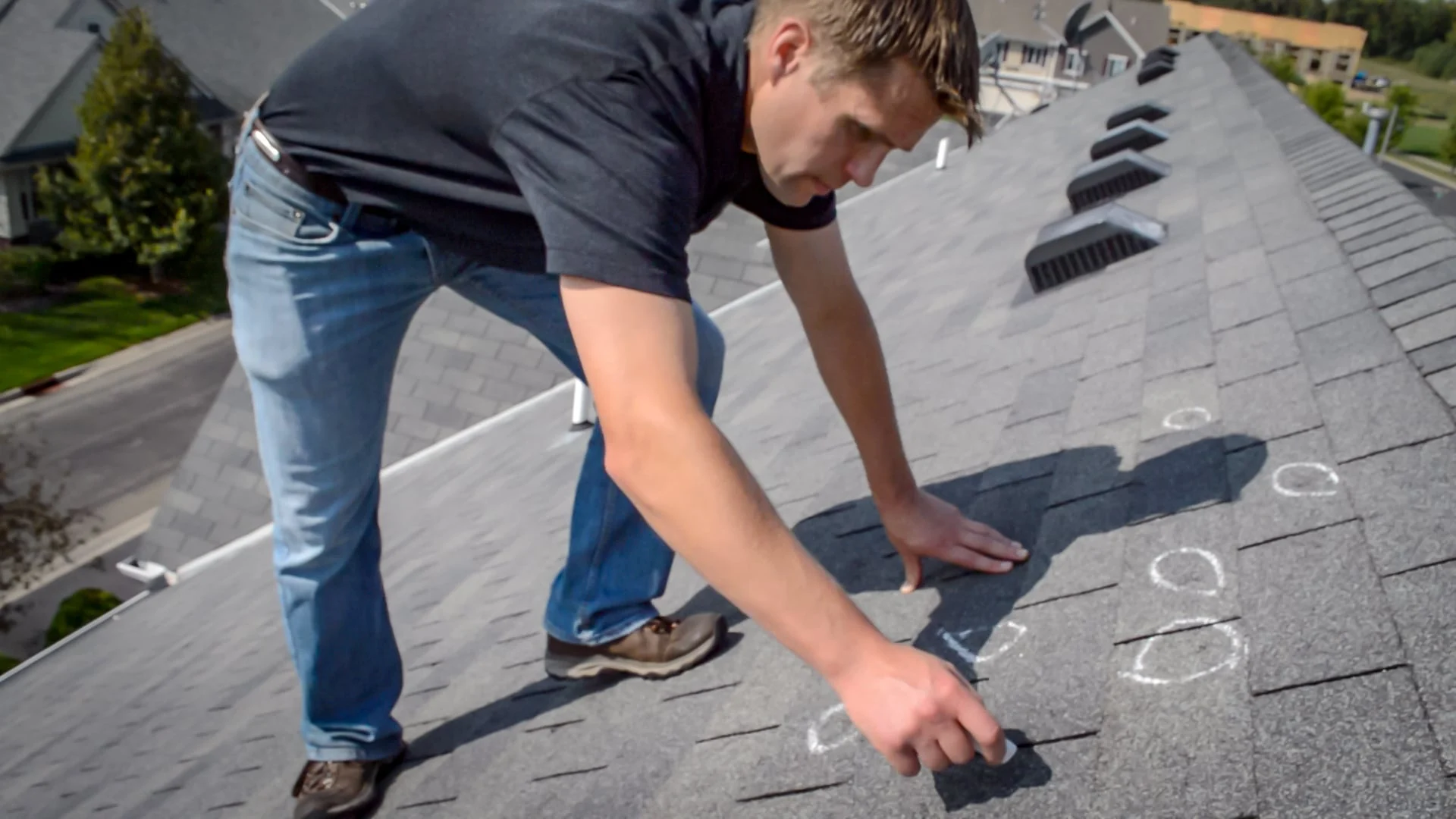
Hail is less frequent in the Fresno area than wind and rain, but it does occur, usually as an isolated event tied to a stronger winter or spring storm system. Hail damage on a low-slope commercial membrane can be subtle, bruising, granule displacement, or small punctures that do not leak immediately but compromise the membrane's long-term performance. When hail is part of a storm event, we check for it specifically: raking light across the membrane, close inspection of vulnerable details, and documentation of any impact pattern found.
Complete-scope framing matters as much on a wind or storm claim as it does on any other. A single lifted seam is rarely the whole story, the adjacent fastener pattern, the drainage that seam was protecting, and any code-required upgrade to bring the repaired area current all belong in the scope. We itemize that full picture so the claim reflects what the roof needs instead of only the smallest visible repair.
Meeting the adjuster on a wind or storm claim works the same way it does on any commercial roof claim: we walk the roof together, point out uplift patterns, displaced edge metal, and moisture evidence that is easy to miss from a single pass, and keep the conversation focused on what the roof shows. We are there to make sure the physical evidence is read correctly, not to argue the coverage decision.
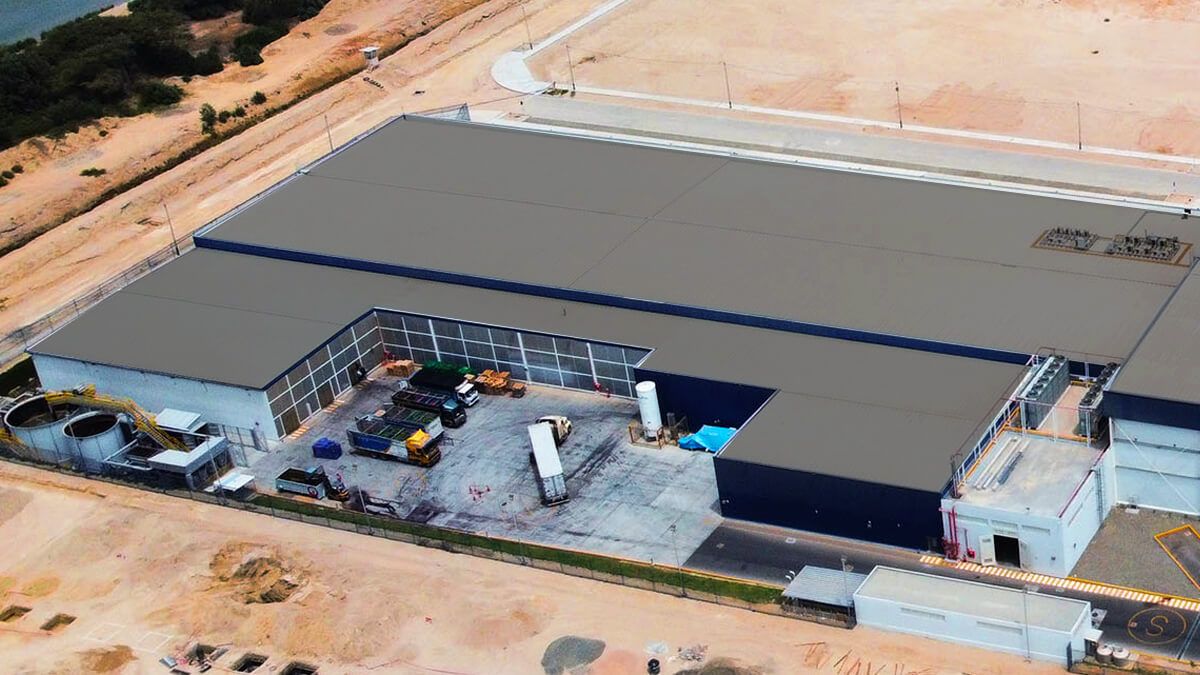
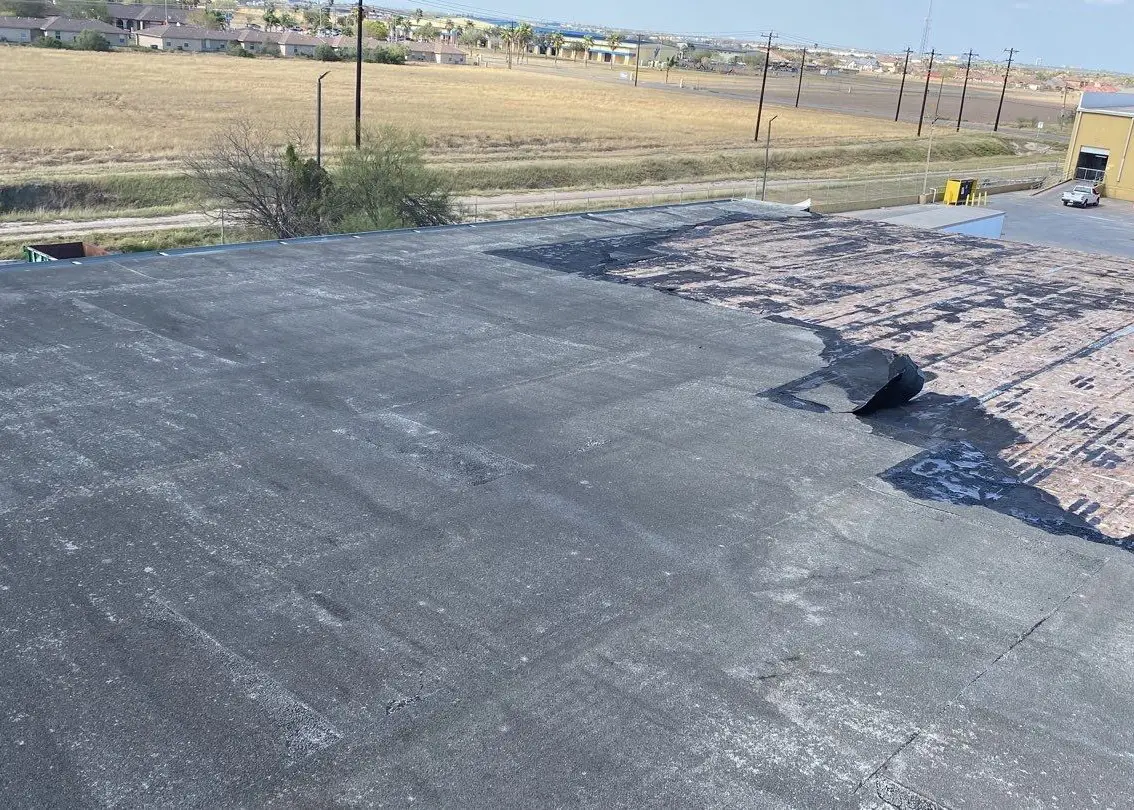
Distribution and food-processing buildings along the Highway 99 corridor carry large membrane fields that are especially exposed to valley wind uplift, long, unbroken roof planes with fewer parapets to break wind flow. A storm damage claim on one of these buildings often needs a systematic grid inspection across the whole field, because uplift and seam stress can appear in multiple, unconnected locations rather than one obvious area.
If a claim on wind or storm damage comes back denied or underpaid, we re-inspect and expand the documentation, additional photos, a wider check of drainage and edge conditions, and any secondary damage that may not have been caught in the first pass. We hand that updated record to the owner for their adjuster or carrier to review; we do not negotiate the outcome ourselves.
Whether the event was a hard atmospheric-river rain, a sustained wind period, weeks of tule-fog moisture, or an isolated hail hit, Commercial Roofing Contractors of Fresno documents storm damage on commercial roofs across Fresno, Clovis, Madera, Visalia, Hanford, and the surrounding Central Valley. Call as soon as conditions are safe to inspect, an early, accurate record is the best foundation for whatever comes next with the claim.
Wind & Storm Claim Questions Owners Ask
What kind of storms cause the most commercial roof damage in Fresno?
Winter atmospheric-river rain and sustained dry valley wind cause most of the storm-related roof damage we document here. Hail occurs occasionally, usually tied to a stronger winter or spring system.
Can tule fog actually damage a roof?
Tule fog does not damage a roof the way a storm does, but weeks of sustained moisture can work into existing seams, fastener penetrations, or old patch work and contribute to a weak point that a wind or rain event later exposes.
How do you tell wind damage from normal wear?
Wind damage typically shows a directional pattern, uplift concentrated at corners and parapets, torn or lifted membrane on the windward side, displaced edge metal. General wear tends to be more evenly distributed. We document both and note which is which.
Do you handle hail damage claims too?
Yes. Hail is less common here than wind and rain, but when it is part of a storm event we inspect for bruising, granule displacement, and punctures and fold that into the same documentation and scope.
Will you negotiate with my insurance company after the inspection?
No. We document and substantiate the roof damage so the claim reflects an accurate scope. Negotiating the settlement is between the owner and their insurance company or public adjuster, not us.