Roofing for Fresno Food Plants That Run Hot, Wet, and Cold All at Once
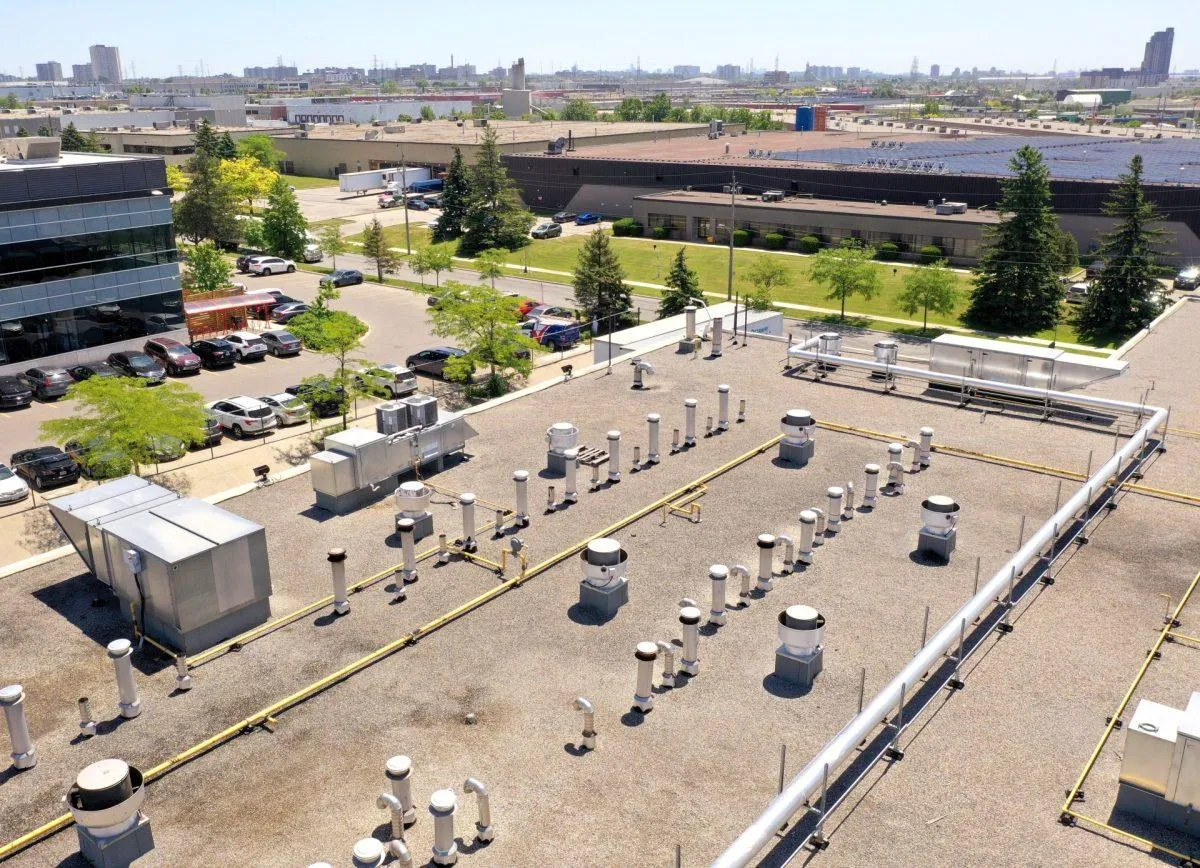
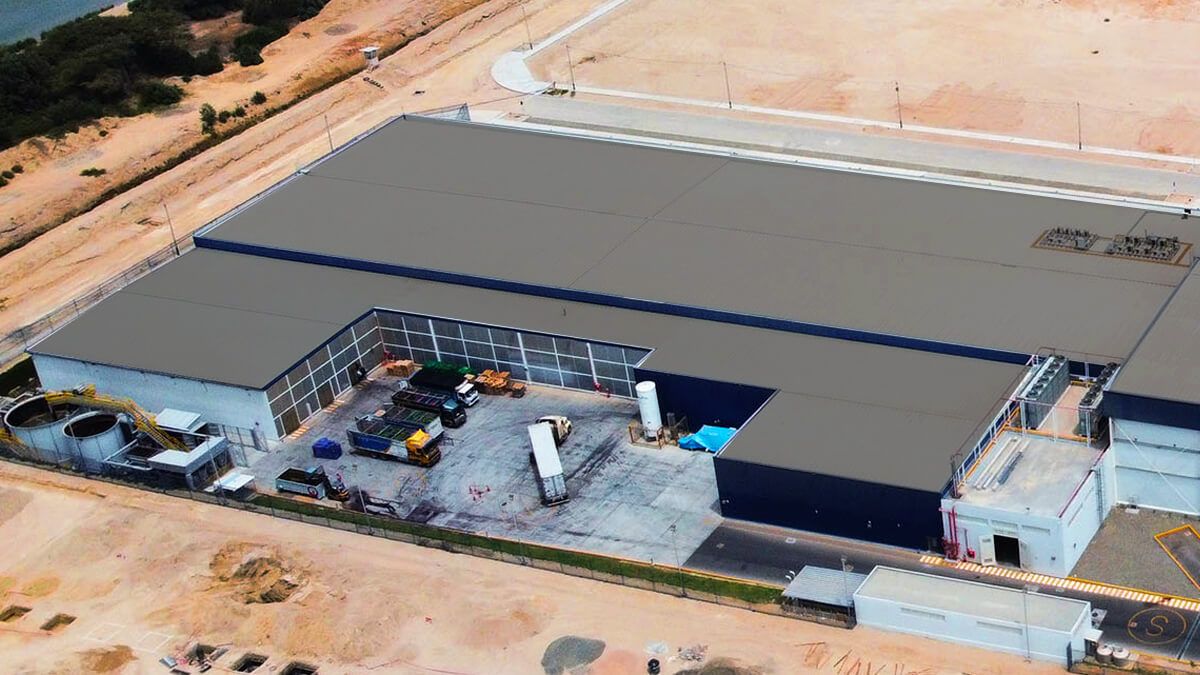
Few buildings put more competing demands on a roof than a food processing facility. The production floor below is washed down with hot water and sanitizer on a schedule, which fills the building with humidity that drives straight up into the deck. Meanwhile the roof itself carries heavy refrigeration equipment, condensers, blast-freezing gear, and the dead load of tapered systems over chill rooms. We roof packers, processors, cold-storage operations, and co-packers across the region, and we plan each one knowing that a leak over a production line is a food-safety event, not a maintenance call.
Fresno sits at the center of the food economy this work serves. The agricultural processing belt strung along the Highway 99 corridor, the packing and cold-storage concentration through south Fresno and out toward the industrial corridor, and the steady flow of Central Valley produce that moves through Caltrans District 6 all feed a dense base of plants that run two and three shifts. The Valley climate compounds the challenge, pushing relentless summer heat onto the membrane while the refrigerated spaces below stay near freezing, setting up exactly the vapor-drive conditions that destroy a poorly built assembly from the inside.
Washdown Humidity and Refrigeration Loads on the Same Deck
The two defining roofing problems in a food plant pull in opposite directions, and a good system has to answer both at once.
- Washdown vapor from below. Daily sanitation floods the interior with warm, moist air. Without a competent vapor retarder and sealed deck, that moisture condenses inside the roof assembly, corrodes the steel deck, and saturates insulation with no visible surface leak to warn anyone.
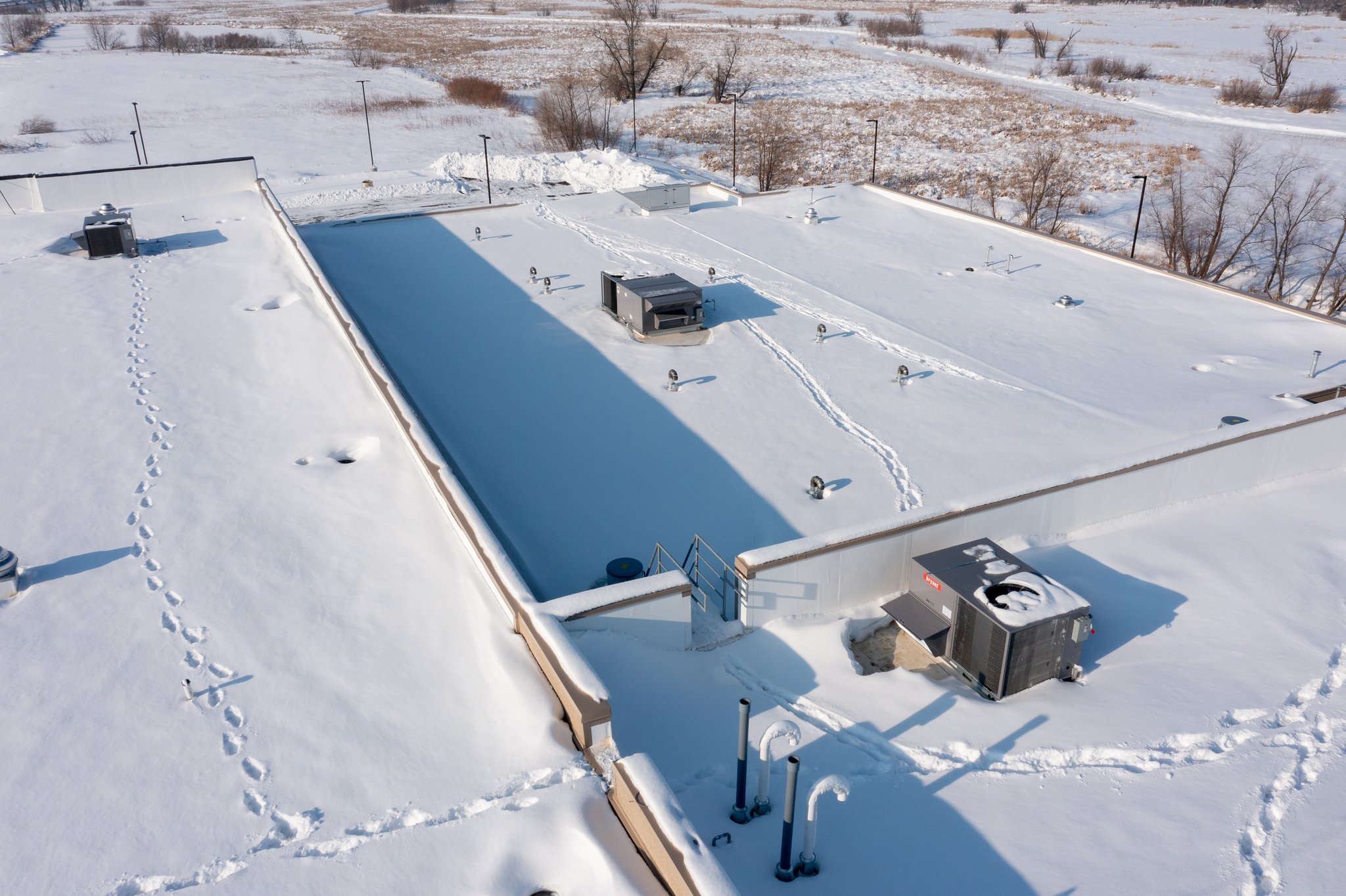
- Refrigeration dead load and equipment. Rooftop condensers, refrigeration racks, and the heavier tapered buildups over freezers add real structural load. We confirm existing deck capacity before adding insulation thickness or new equipment curbs.
- Cold-chain thermal continuity. Roof assemblies over freezer and chill rooms have to hold the thermal break so condensation never forms inside the assembly. Tapered insulation over refrigerated bays is designed around the actual operating temperatures and the Valley's vapor-drive direction.
Approved Materials Are the Starting Point, Not an Afterthought
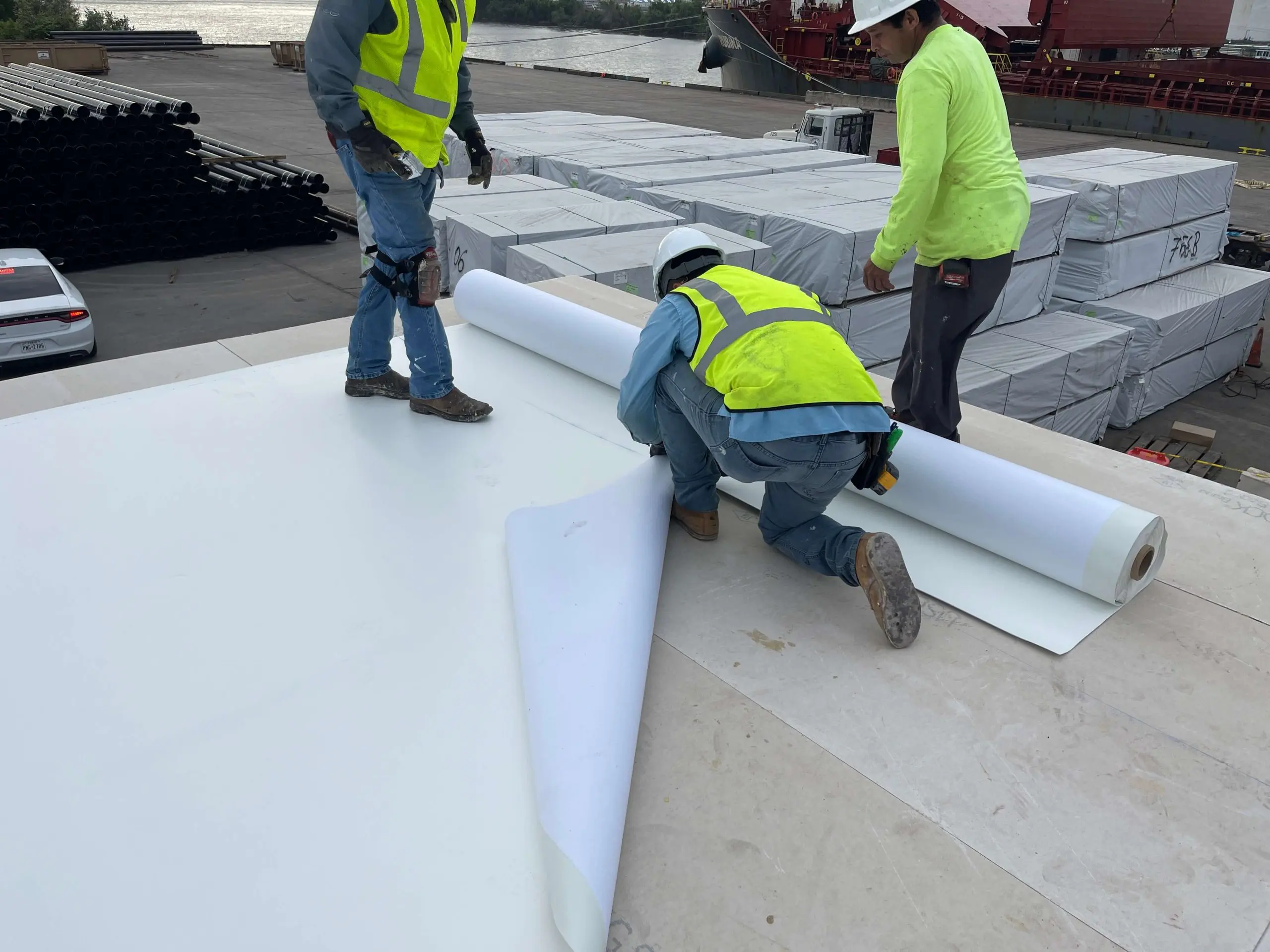
Membrane selection in a regulated plant begins with what is acceptable above a food zone, not with what is cheapest. White TPO and PVC single-ply are generally accepted over enclosed processing areas, but the specific product and installation method get confirmed against the facility's food-safety plan. The same scrutiny applies to adhesives, primers, and sealants, because many standard roofing adhesives carry solvents that are not acceptable in a food-production environment. We verify the whole material list with your QA team before anything goes down.
Scheduling Around the Sanitation Window
Production schedules, not roofing convenience, drive the sequence. A plant running multiple shifts may only offer a single weekly sanitation window when the floor is down. Any work that opens the envelope above an active line is confined to that window, with the QA manager confirming the floor is clean and protected before the crew starts. We phase the project around your production calendar and dry in every section before we leave it, so a Valley storm never catches an open deck over your product.
Drainage Over Refrigerated Bays
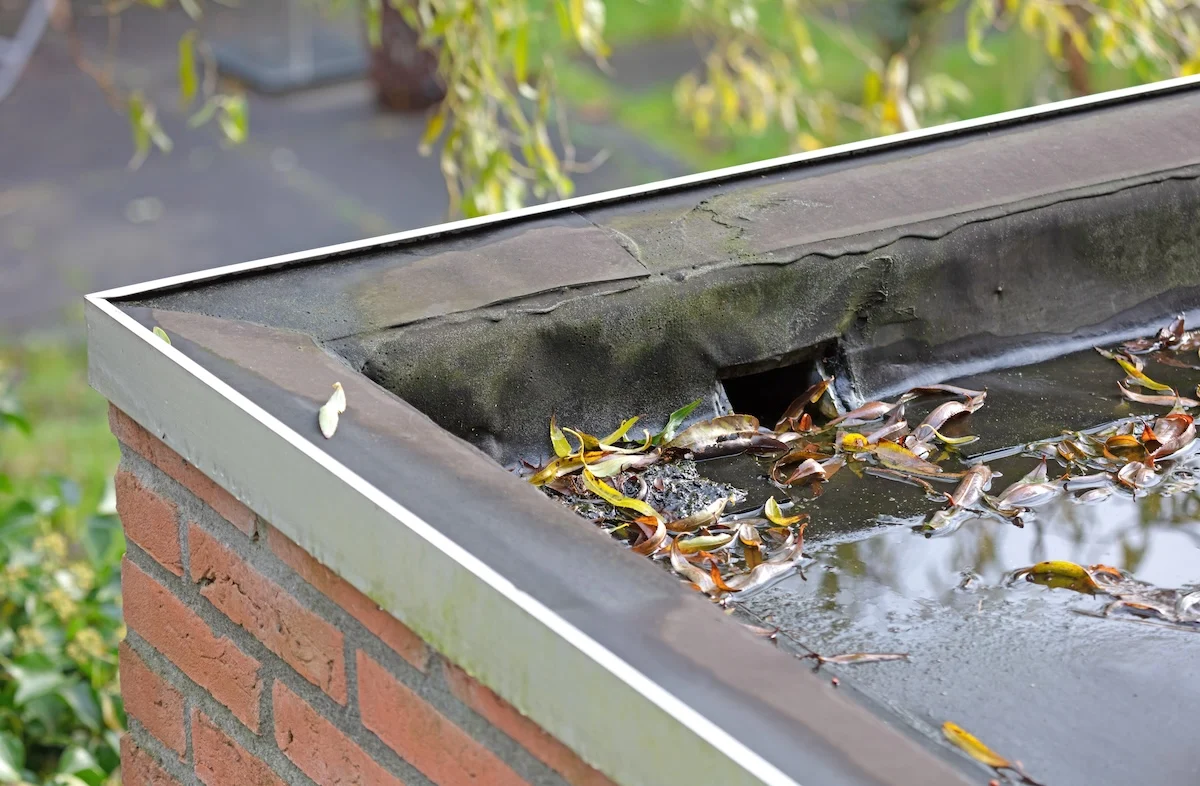
Ponding water over a freezer room does double damage, adding thermal load to the refrigeration system and accelerating deck corrosion. We design tapered systems to move water to perimeter scuppers or interior drains at the low point of each bay and confirm the drainage plan matches the refrigeration design for the roof above.
Sanitary Detailing That Holds Up to Daily Washdown
The flashing details on a food plant roof live a harder life than the field of the membrane. Pipe penetrations carrying refrigerant lines, the curbs under heavy condensers, and the transitions where the roof meets parapets and equipment screens all sit in an environment of constant humidity and thermal cycling, and they are the first things to fail when a system is detailed for a dry warehouse instead of a wet plant. We use heat-welded single-ply terminations rather than adhesive-only details wherever the spec allows, because a welded seam does not rely on a sealant bead that washdown vapor and temperature swings will eventually break down. Drain bowls and scuppers get particular attention, since a clog over a production area is not just standing water, it is a leak risk directly above a food zone. Built right, these details are what let a food plant roof go years between interventions instead of becoming a recurring repair line in the maintenance budget.
Condensation Is the Failure You Never See Coming
The most expensive food-plant roof failures in the Central Valley rarely start as a visible leak. They start as interstitial condensation, moisture that the washdown humidity and the cold rooms below drive into the assembly, where it collects inside the insulation and corrodes the steel deck from above. By the time a stain shows on the ceiling, the deck may already be compromised across a wide area. This is why we treat the vapor-retarder strategy and the insulation detailing as the core of a food-plant roof, not as an add-on, and why our inspections include infrared or moisture scanning to find wet insulation before it spreads. Catching a saturated section early turns a localized repair into a planned line item rather than an emergency deck replacement over an active line.
When Water Finds the Line
A leak over an active line triggers your QA and facilities team for product-hold evaluation and environmental documentation. Our emergency protocol for food plants includes around-the-clock contact, priority mobilization for temporary dry-in, and documentation support for your incident reporting. Roof condition is a standard item in USDA and FDA inspections, so we also leave condition records and repair history your QA manager can produce on demand to show proactive maintenance.
Food Processing Facility Roofing Questions
Can any roofing material go over a food production area?
No. Regulated facilities require membranes, adhesives, primers, and sealants confirmed acceptable for food-production environments before installation, and that varies by product. We identify your regulatory framework and confirm material acceptability with your QA team before specifying anything over a food zone.
How do you schedule work in an active plant?
We work to your production calendar. Together with your facilities manager we identify the weekly sanitation window and any planned shutdowns for work above the floor, and we coordinate with refrigeration maintenance on anything that could affect cold-chain continuity.
How do you handle drainage over refrigerated areas?
Ponding over a freezer adds refrigeration load and corrodes the deck, so we use tapered insulation to direct water to perimeter scuppers or interior drains at each bay's low point, matched to the refrigeration design for the roof above.
What happens if a leak hits during production?
A leak over an active line means immediate contact with your QA and facilities team for product-hold evaluation and documentation. Our protocol includes 24-hour contact, priority mobilization for temporary dry-in, and documentation support for your incident reporting.
Do you support USDA and FDA roof inspections?
Yes. Inspectors look for leaks, condensation, and deterioration above production areas. We provide condition documentation and repair records your QA manager can produce to demonstrate proactive roof maintenance.
Get a Food Plant Roof Plan Keyed to Your Operation
We will walk your roof, evaluate the washdown vapor exposure and refrigeration loads, confirm approved materials with your QA team, and lay out a phased plan that fits your sanitation windows and keeps product protected.