A commercial roof insurance claim moves at the speed of its documentation, not the speed of the storm that caused it. When a Fresno property owner calls after wind, hail, or a hard rain event, the first question is not what the policy covers, that is between the owner and the carrier, it is what the roof actually shows right now. Commercial Roofing Contractors of Fresno inspects the roof, photographs the damage, measures affected areas, and puts findings in writing so the owner and the adjuster are working from the same set of facts instead of a guess made from the ground.
We are a roofing contractor, not a public adjuster. We do not file the claim, negotiate the settlement, or represent the owner against the insurance company. What we do is document and substantiate the roof damage, photos, measurements, moisture readings, and a written scope, so the owner and their adjuster work from an accurate picture of what the roof needs before repair decisions get made.
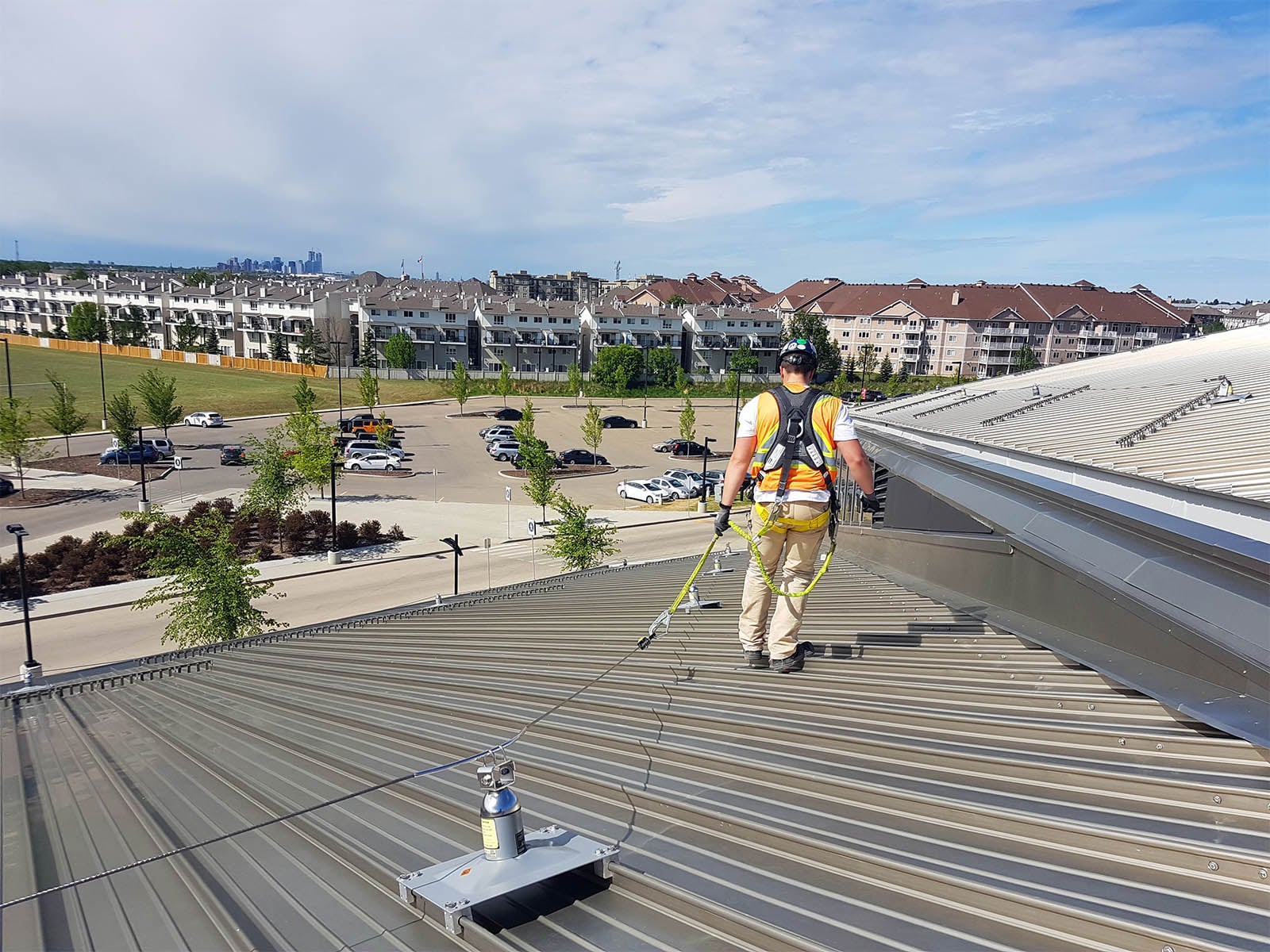
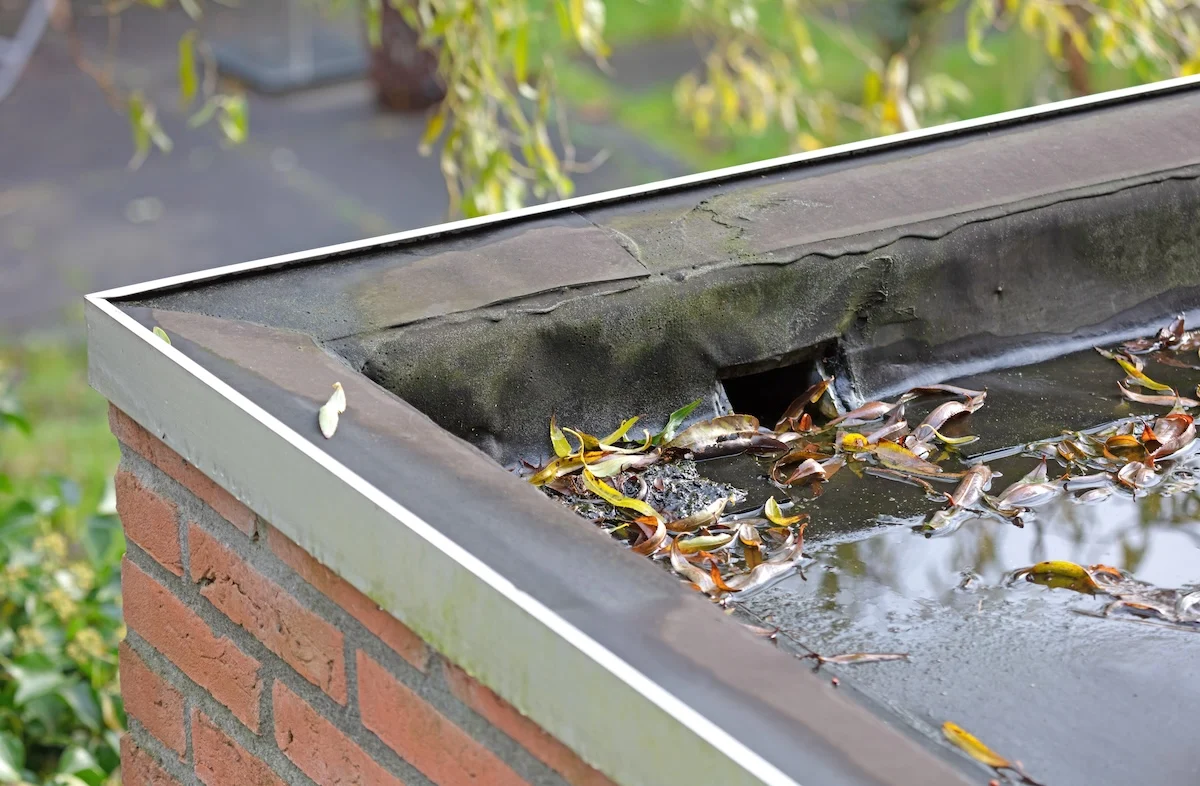
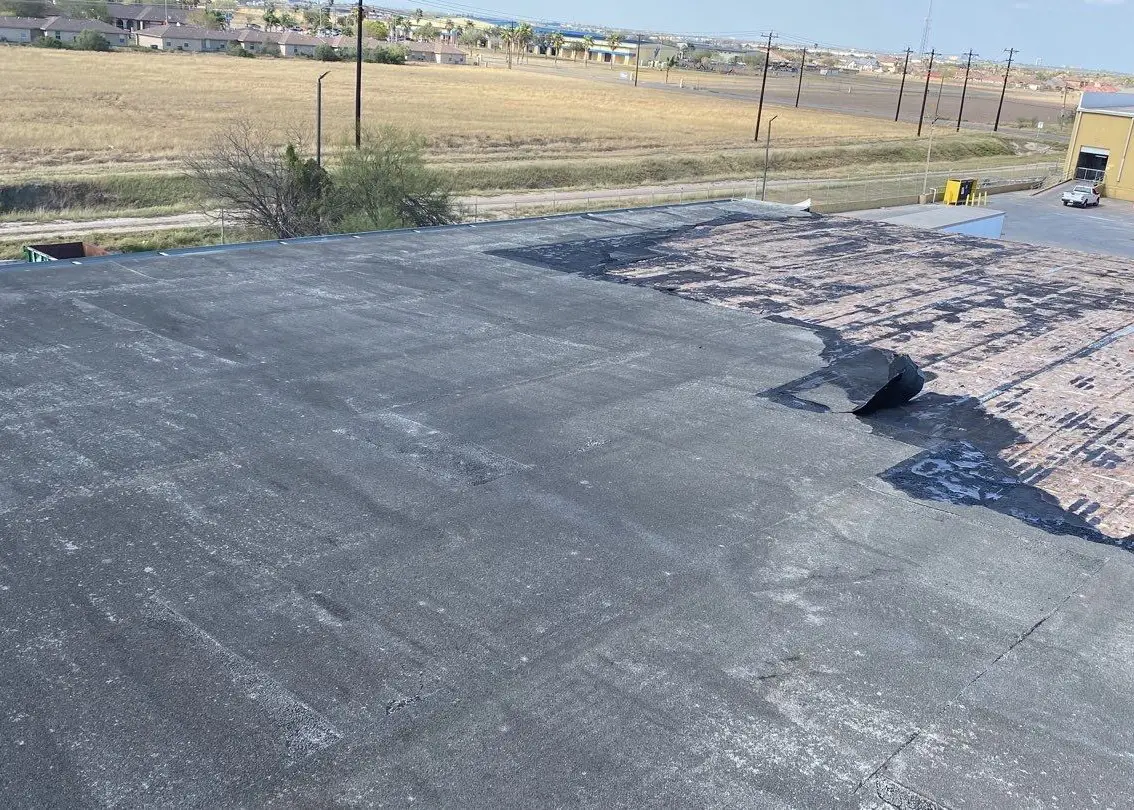
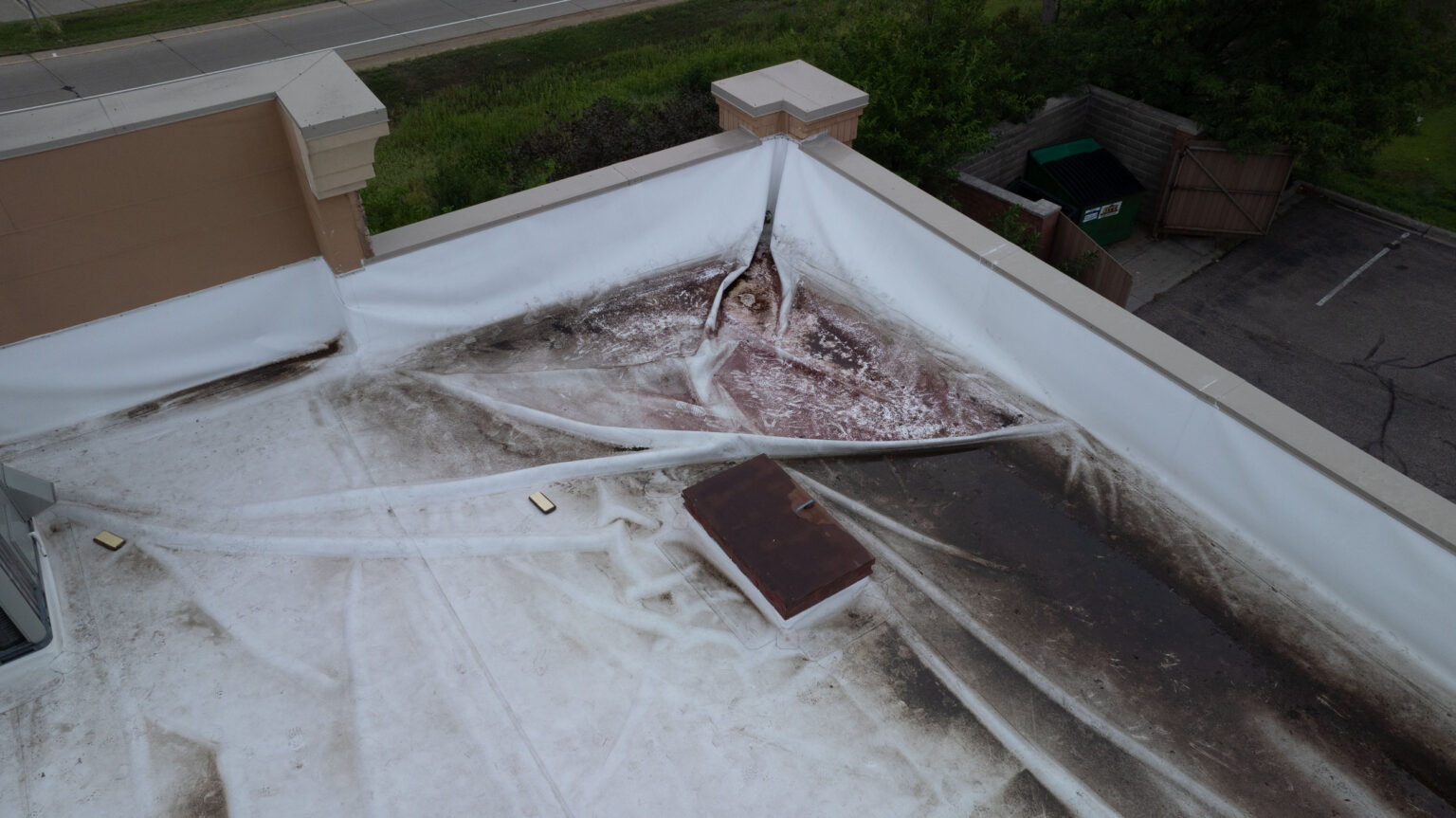
Documentation starts with a full roof walk, not a drive-by. For a commercial roof insurance claim, we photograph every affected plane, mark punctures, bruising, seam separation, coping and edge metal displacement, and any interior leak evidence tied to the event. Moisture readings and, where warranted, a core cut confirm whether water has already reached the insulation or deck, because a membrane that looks intact from the ground can still be saturated underneath. That record becomes the reference point for everything that follows, the adjuster's inspection, the repair scope, and the owner's own file.
Meeting the adjuster on the roof is one of the most useful things we do for a Fresno owner going through a commercial roof insurance claim. We walk the same roof the adjuster walks, point out conditions that are easy to miss from a single pass, a compromised drain sump, a wind-lifted seam three courses in, hail bruising that only shows under raking light, and keep the conversation on the physical evidence. We are not there to argue coverage. We are there so the roof gets read correctly.
Complete-scope framing is where a commercial roof insurance claim earns or loses money for the owner without anyone arguing about it. A damaged section of membrane rarely sits in isolation: code and ordinance requirements may call for insulation upgrades, drainage tie-ins, or edge-metal replacement that goes beyond simply patching what failed. We itemize that full scope, the visible damage plus the work required to bring the repaired area up to current code, so the claim reflects what the roof actually needs instead of only the smallest defensible line item.
When a claim comes back denied or underpaid, the roof usually has more to say than the first estimate captured. We re-inspect, expand the photo record, add moisture data or a core sample if one was not taken initially, and document conditions that may have been missed in a quick first pass, secondary damage behind parapets, a compromised scupper, insulation that tested wet outside the originally scoped area. We hand that record to the owner to bring back to their adjuster or carrier. We do not negotiate the claim ourselves, but an accurate, complete scope is the strongest tool an owner has when a number needs to be revisited.
California's commercial property insurance market has tightened in recent years, with several carriers pulling back or limiting new commercial policies in parts of the state and more owners routing coverage through the FAIR Plan or surplus lines carriers. Whatever carrier is on the policy, the roof inspection and documentation process does not change: we assess the actual roof condition, separate storm damage from pre-existing wear, and give the owner a scope that holds up regardless of who is reviewing the claim.
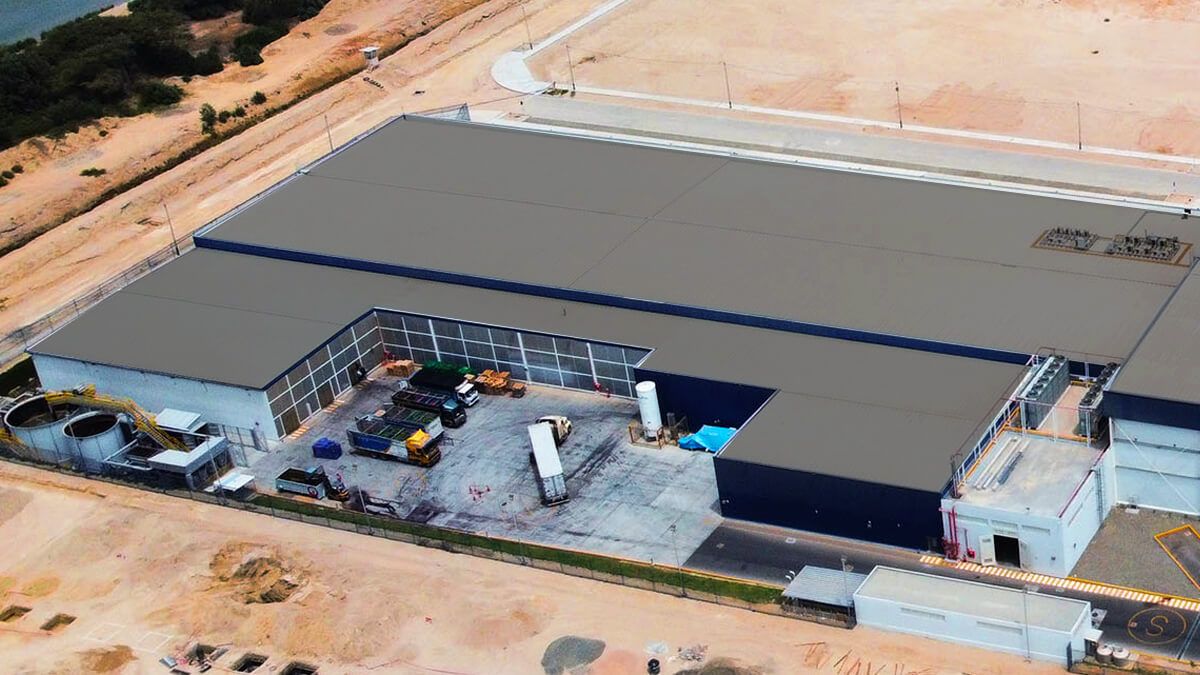
Fresno sits at the center of a working agricultural and distribution corridor, and that shapes what a commercial roof insurance claim looks like here. Packing houses, cold storage, and food processing buildings along the Highway 99 corridor typically carry large, low-slope membrane roofs with refrigeration curbs, condensate drains, and dense HVAC penetrations, all of which need to be checked individually after a wind or hail event, because damage at a single curb or drain can be more costly than a wide but shallow area of membrane bruising.
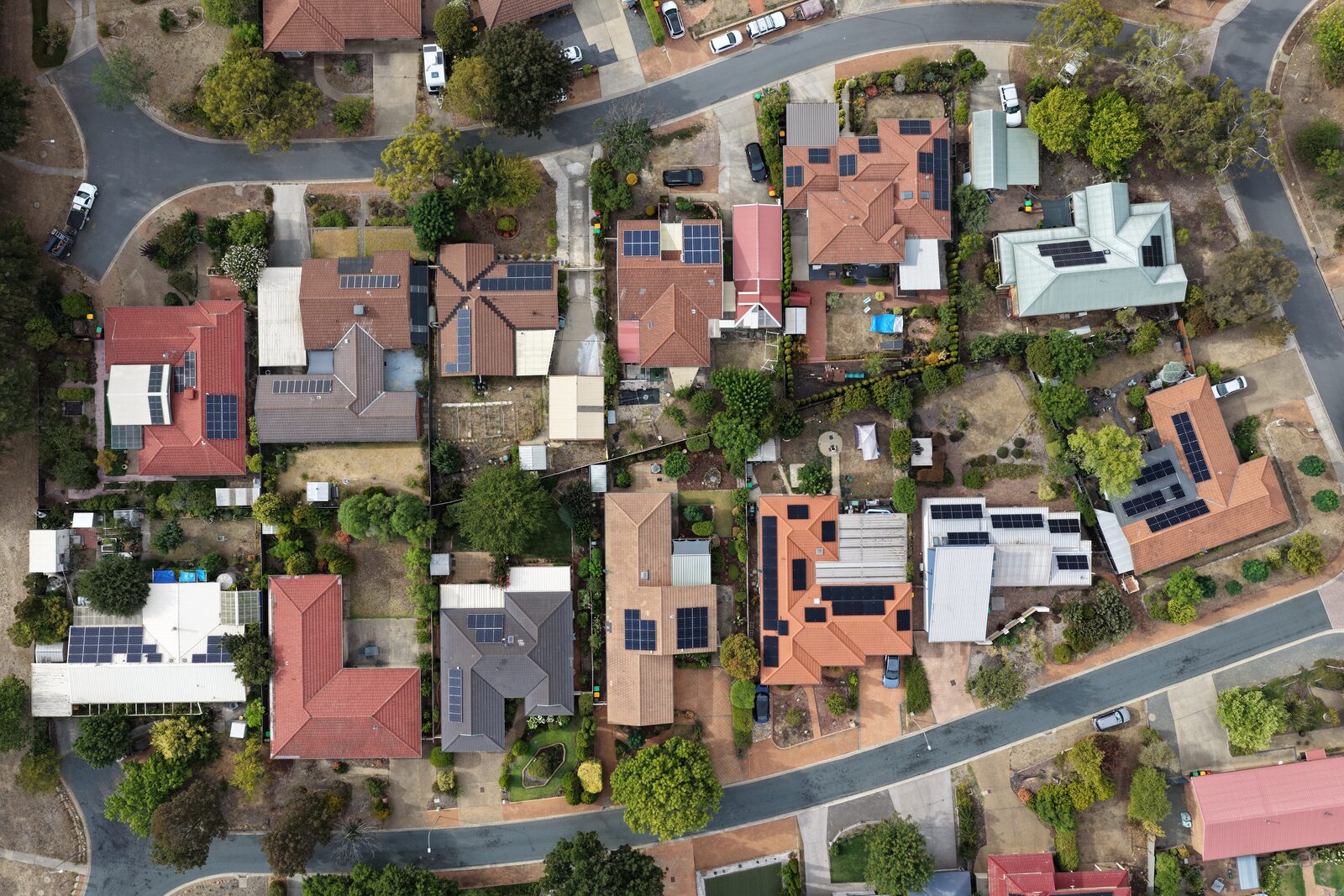
Distribution and logistics buildings near Highway 99 present a different documentation challenge: sheer roof area. A single wind event can affect an entire field of TPO or PVC membrane on a 200,000-square-foot warehouse roof, and a commercial roof insurance claim on a building that size needs a sampling and photo-grid approach that can stand up to review, not a handful of representative photos from one corner of the roof.
Central Valley summer heat cycling complicates causation on almost every commercial roof insurance claim we document. Membrane that has spent years expanding and contracting through triple-digit days and cool nights can show seam stress, granule loss, or brittleness that has nothing to do with the storm event being claimed. Separating heat-related wear from wind or hail damage is part of an honest scope, we document both, and we are clear about which conditions are storm-related and which were already present.
Repair, restoration, recover, or replacement, the documentation from a commercial roof insurance claim should point toward one of those paths, not leave the owner guessing. If the damage is isolated and the membrane is otherwise sound, a targeted repair may be the right scope. If the roof was already near the end of its service life, storm damage can be the event that justifies a recover or full replacement, and the claim documentation should say so plainly, with the roof's condition as the evidence.
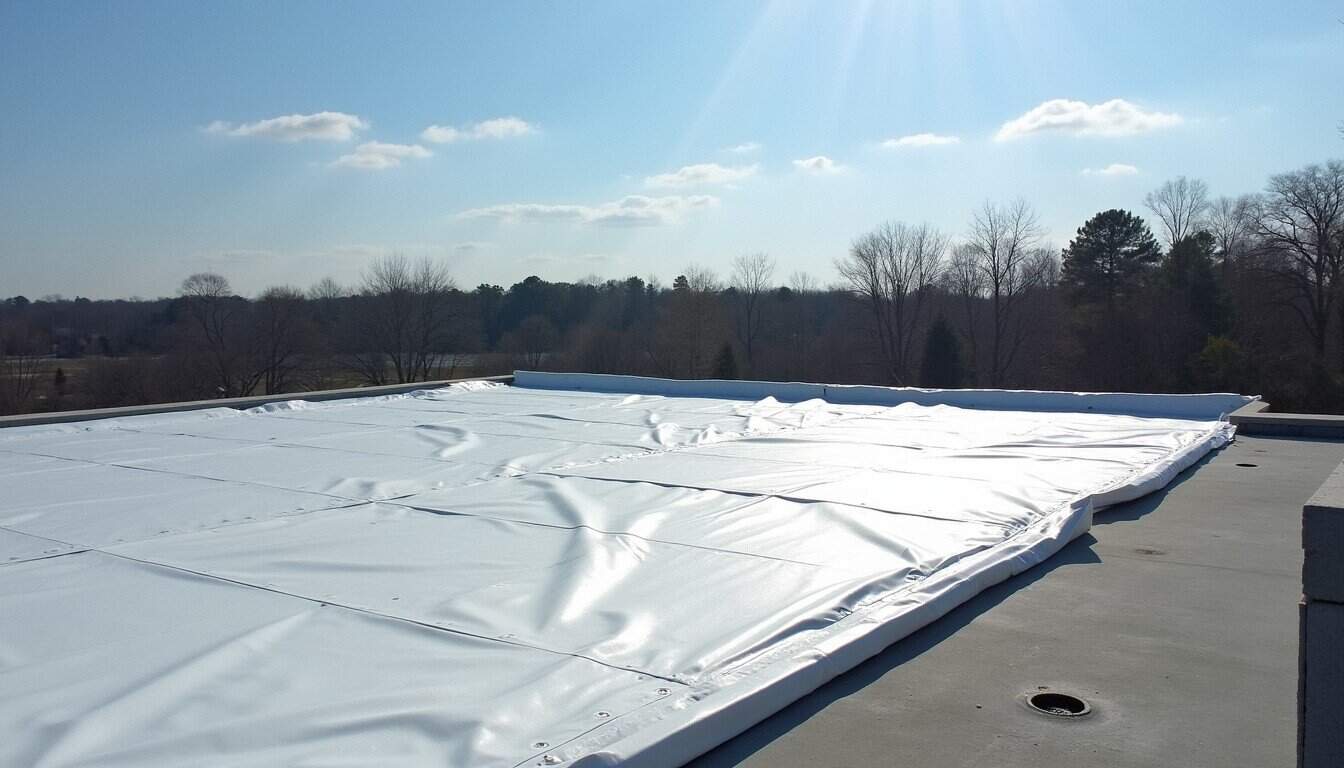
Occupied buildings add a layer of planning that a commercial roof insurance claim has to account for. While a claim is pending, we can install temporary protection, tarping, emergency dry-in, sealed penetrations, and document that work separately from the permanent repair scope, so the owner has a clear record of what was done to stop active water intrusion versus what the final repair will address.
A commercial roof insurance claim closes out the way it should when the paperwork matches the roof. We provide the owner with a complete photo and measurement record, a written scope, and closeout documentation once repairs are finished, so the file reflects the actual work performed, useful for the current claim and for any future inspection or resale question tied to that roof.
Commercial Roofing Contractors of Fresno documents commercial roof insurance claims for owners in Fresno, Clovis, Madera, Sanger, Selma, Kingsburg, Hanford, Lemoore, Visalia, Tulare, Merced, and the surrounding Central Valley. Call early after a storm event, the sooner we get on the roof, the more accurate the record, and the smoother the claim process tends to be from there.
Insurance Claim Questions Owners Ask
Does insurance cover commercial roof replacement?
Coverage depends on the policy and the carrier's own review, but replacement is more likely to be supported when the documentation shows the damage is storm-related, affects a significant portion of the roof, or when local code requires upgrades that make a partial repair impractical. We document the roof condition; the carrier makes the coverage decision.
What does the commercial roof insurance claim process look like?
Typically: a roof inspection and damage documentation, a scope walk with the adjuster if one is assigned, a written repair scope from us, and then the carrier's coverage decision. We support the documentation and scope steps, we are not the ones adjusting or approving the claim.
What happens if my commercial roof claim is denied or underpaid?
We re-inspect the roof, expand the photo and moisture record, and document any conditions that may not have been captured the first time. That updated scope goes back to the owner to bring to their adjuster or carrier for reconsideration.
How do you decide between repair and full replacement?
The roof's condition decides it, not a preference. We look at membrane age, the extent of storm damage, drainage condition, and whether a partial repair can be tied in cleanly. If the roof is compromised beyond a defensible repair, we say so and explain why.
Do you file the insurance claim for us?
No. We are a roofing contractor, not a public adjuster. We document and substantiate the roof damage so the owner and their adjuster have an accurate scope to work from. The owner or their insurance representative files and manages the claim itself.
How fast can you document storm damage after a wind or hail event?
We prioritize active leaks and visible storm damage. Once conditions are safe to walk the roof, we can typically inspect and begin documentation within a short window, the sooner the roof is documented, the cleaner the record for the claim.