Ask anyone who manages commercial property across Fresno how roof maintenance actually gets handled and you usually hear the same answer: differently at every building. The warehouse off CA-99 has a roofer somebody hired years ago, the retail strip on Blackstone gets patched by whoever answers the phone, and the office building downtown has no roof file at all. Five roofs, three vendors, zero shared records, and every leak starts with a debate about who to call.
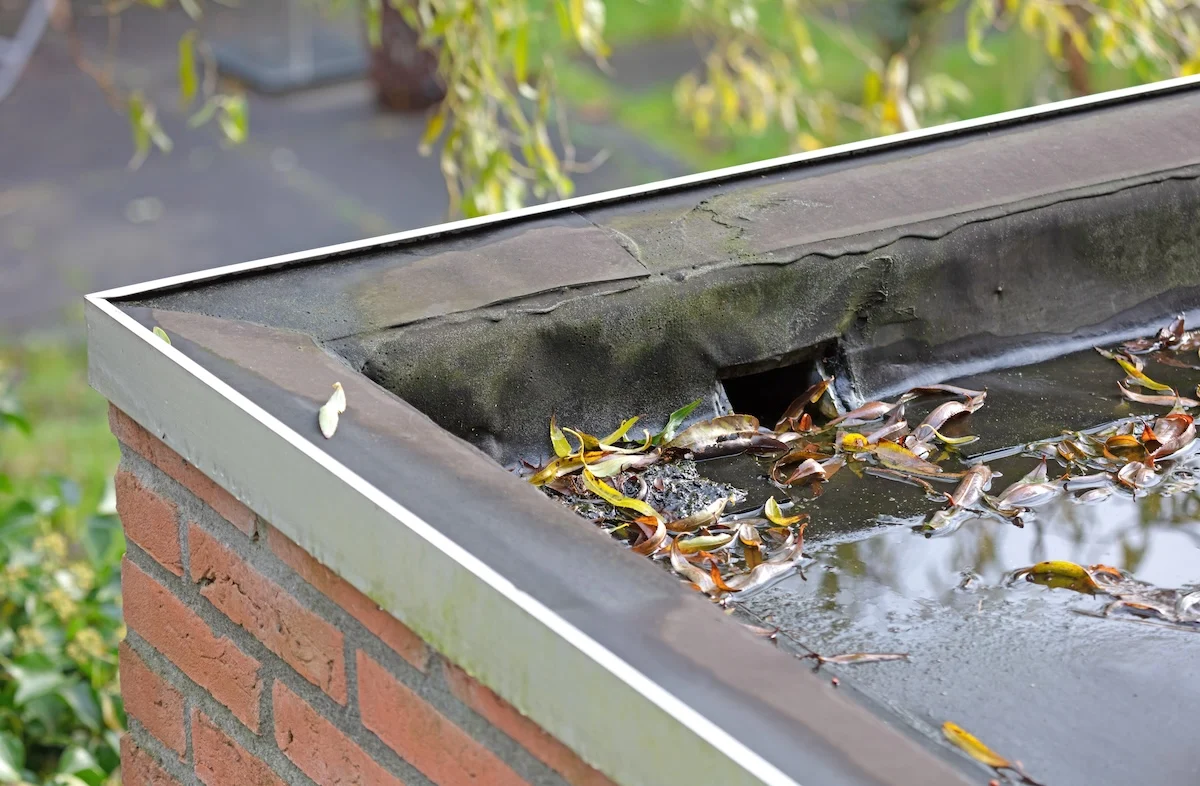
A portfolio roof service agreement collapses that into one arrangement. Every building sits under a single agreement with two service visits per roof each year, one schedule, and one person who answers for all of it. The fall visit lands before the Valley's rainy months: drains, scuppers, and gutters cleared of leaf drop and field dust, seams and flashings resealed, and whatever the summer heat opened up closed before the first storm finds it. The spring visit documents how each roof came through the wet season and preps it for another run of hundred-degree afternoons.
After each round you receive one deliverable, not five: a photo condition report for every building, plus a portfolio summary that ranks findings across all of them. Small repairs are completed during the visit itself. Bigger items land on the ranked list with photographs behind them, so the budget conversation becomes which building goes first, not a stack of unrelated proposals in five different formats.
The single point of contact carries through everything else. Warranty documentation is maintained per building and per manufacturer, so no roof quietly falls out of compliance while attention is on the others. And when something lets go between visits, a tenant call, a wind event, a stain on a ceiling grid, one phone number covers every property on the agreement, with priority dispatch and no re-explaining which building, which system, or which access hatch. We already hold the file.
For ownership, the roofing program becomes one renewal and one predictable line item instead of a vendor category that gets chased across town. For the manager, it is the difference between running roofs and reacting to them.
Portfolio Service Agreement Questions
Can different roof systems sit on the same agreement?
Yes, that is the normal case, not the exception. A TPO distribution roof, a coated foam retail roof, and an R-panel metal shop can all live under one agreement. Each building's visit checklist follows its own system and manufacturer requirements; the schedule, the reporting format, and the point of contact stay unified.
How does scheduling work across multiple buildings?
We group your properties into service routes and run them in the same window, handling access and tenant notice building by building. You approve one calendar for each round instead of fielding a separate scheduling call for every roof you manage.
What does the reporting actually look like?
Each building gets its own photo report covering conditions found, small repairs completed during the visit, and anything recommended beyond visit scope. The portfolio summary rolls those up and ranks open items by urgency across all properties, so capital planning runs on evidence rather than memory.
What happens when one building needs help between visits?
Call the same number you always call. Agreement properties get priority dispatch, and because we hold each building's roof file, system type, repair history, access notes, the crew arrives already oriented instead of starting the diagnosis from zero.
Do all the buildings have to be inside Fresno?
No. Portfolios that spread across Clovis, Madera, Visalia, and Hanford are common, and a single agreement covers them. Route scheduling absorbs the geography; your side of it stays one contact and one calendar.