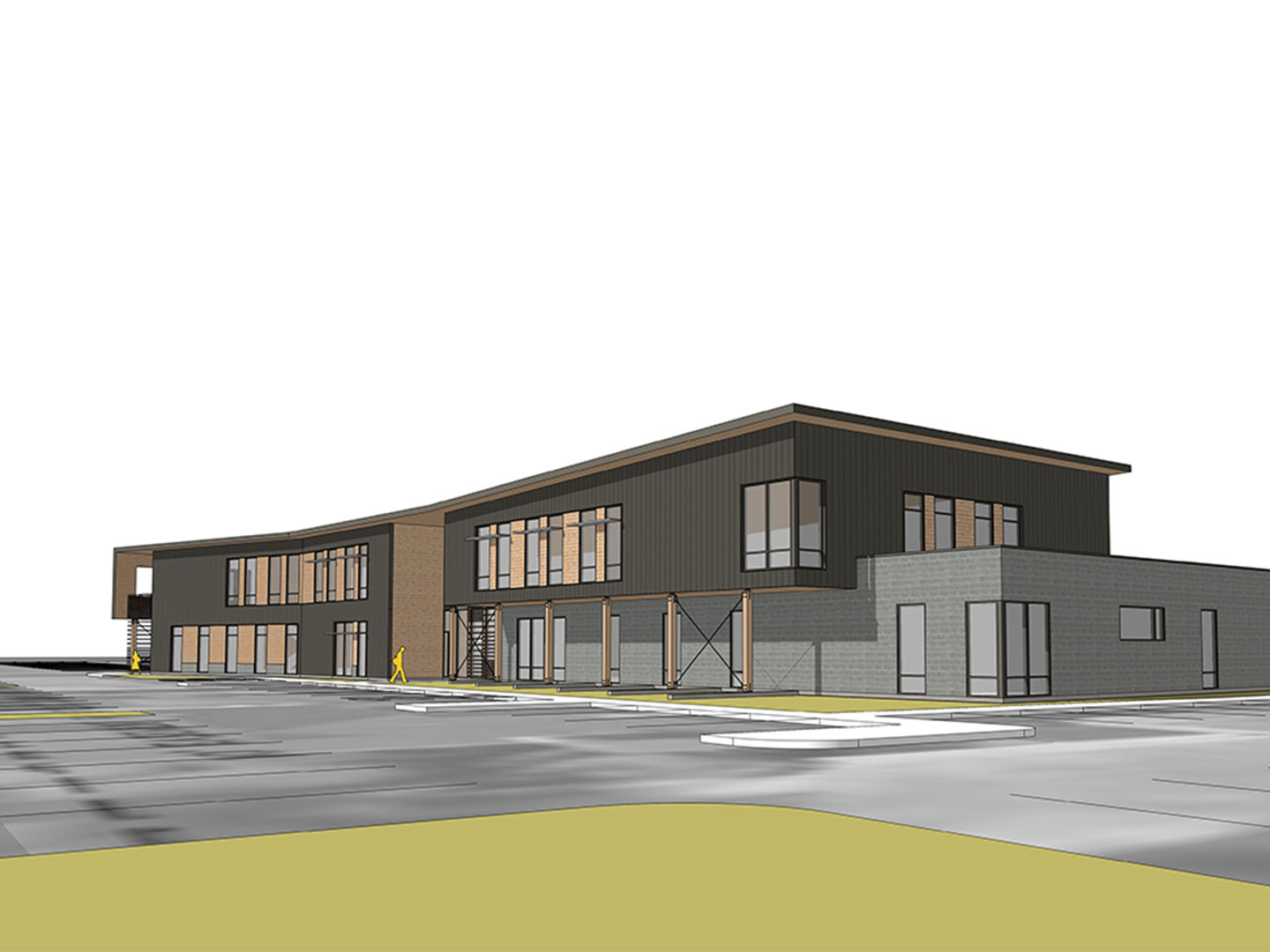
Community Medical Centers, the dominant health system in California's Central Valley with its flagship Community Regional Medical Center in downtown Fresno and multiple affiliated campuses across the region, operates some of the most complex and demanding commercial roofing environments in the state. Healthcare facility roofing in Fresno requires a level of planning, technical expertise, and operational sensitivity that surpasses virtually any other building type. Hospitals and medical campuses are occupied 24 hours a day, 365 days a year, by patients who are medically vulnerable and by clinical staff whose ability to provide care must not be compromised by construction activity above their heads.
Infection control is the paramount operational concern for roofing work above occupied hospital spaces. The Joint Commission and California Department of Public Health both enforce Infection Control Risk Assessment (ICRA) requirements for healthcare construction, and roofing work is fully subject to these requirements. Dust, debris, bird droppings disturbed from aging rooftop areas, and water infiltration during construction all represent potential infection control hazards. Before a single square foot of roofing is disturbed above an occupied area, the healthcare facility's infection control officer must review and approve the roofing contractor's ICRA-compliant work plan. Experienced hospital roofing contractors have ICRA documentation templates and can guide facilities teams through the process efficiently.
Sterile environments within the hospital, operating rooms, intensive care units, sterile processing departments, and clean rooms, require the most stringent protection during any construction above or adjacent to them. Negative pressure containment systems, HEPA-filtered air handling adjustments, and complete physical separation of the construction zone from the occupied environment are standard requirements when roofing work proceeds above these critical areas. Scheduling roofing work above sterile zones during periods when those areas can be temporarily closed or reconfigured, in coordination with the hospital's clinical operations team, is far preferable to attempting to maintain sterile conditions under active construction.
Medical penetrations through the roof deck, HVAC ducts, medical gas piping, emergency generator exhaust, medical vacuum systems, and life safety systems, are far more numerous, complex, and sensitive on a hospital rooftop than on any other commercial building type. Every penetration is a potential leak point and a potential infection control vulnerability. Experienced healthcare roofing contractors in Fresno develop detailed penetration surveys before bidding, documenting every roof penetration with photographic records and dimensions that allow accurate flashing specifications. Improperly flashed medical penetrations that allow water infiltration into clinical areas create regulatory compliance problems that extend far beyond ordinary building maintenance.
California Title 24 compliance applies to Community Medical Centers re-roofing projects just as it does to any California commercial construction. Healthcare facilities in Fresno's climate zone must meet cool-roof reflectance and thermal emittance requirements for low-slope re-roofing, with CRRC-rated products and documentation submitted to the Fresno building department. Healthcare facility construction also triggers California Office of Statewide Health Planning and Development (OSHPD) oversight for work that affects structural systems, fire-life safety, or egress. Confirming whether specific roofing work triggers OSHPD jurisdiction, and engaging an OSHPD-experienced design team if it does, is a critical early step in any major Community Medical Centers roofing project.
24/7 building occupancy creates scheduling constraints unlike those of any other commercial building type. Hospital roofing projects cannot be scheduled around an occupancy calendar because the building is never unoccupied. Instead, scheduling must be designed to minimize impacts on specific clinical operations during their most sensitive periods. Pharmaceutical preparation, neonatal intensive care, and surgical services are among the areas where vibration, dust, and water infiltration risk are most critical. Phasing roofing work to keep these areas away from active construction zones, and never leaving them without a fully weathertight roof membrane at the end of each workday, requires detailed planning and disciplined daily execution by the construction team.
Rooftop equipment complexity at Fresno hospital campuses is extreme. HVAC systems serving multiple climate zones, medical vacuum pumps, emergency generator exhaust systems, medical gas manifolds, telecommunications equipment, and life safety systems all compete for rooftop space in ways that create extraordinary challenges for roofing contractors. Every piece of equipment has flashing details that must be maintained, every equipment pad is a potential water entry point, and every mechanical trade that services rooftop equipment has the potential to damage the roofing membrane in the process. Providing rooftop access pathways with robust walkway pad systems, and coordinating with hospital facilities management on access protocols that protect the roof membrane, are essential parts of a healthcare roofing program.
Fresno's extreme summer heat creates additional urgency around cool-roof specification for hospital campuses. Air conditioning systems at Community Medical Centers campuses consume enormous amounts of energy to maintain the precise temperature and humidity conditions required for patient care. Every degree of surface temperature reduction achieved by a reflective roofing membrane reduces the solar heat gain entering the building and decreases the cooling load on the HVAC system. The energy savings at a large hospital campus from a comprehensive cool-roof re-roofing program can be substantial, and in California's expensive commercial electricity environment, these savings are a meaningful financial justification for re-roofing investment beyond the basic waterproofing benefit.
Long-term warranty and maintenance programs for Community Medical Centers campuses must reflect the health system's zero-tolerance standard for building envelope failures. A roofing system that leaks above an ICU or operating room is not merely a maintenance problem, it is a patient safety incident with regulatory, liability, and reputational dimensions. Comprehensive maintenance programs for healthcare facility roofs should include quarterly inspection, prompt response to any reported issue, and annual thermographic surveys that identify wet insulation or membrane delamination before water infiltration occurs. The cost of a comprehensive maintenance program is trivial compared to the cost of a single healthcare-associated infection attributable to construction-related environmental contamination.
- What is ICRA and why does it apply to hospital roofing work in Fresno?
- Infection Control Risk Assessment is a systematic process required by The Joint Commission and CDPH for evaluating and mitigating infection risks during construction in healthcare facilities. Roofing work generates dust, disturbs biofilm and bird debris on aging roof surfaces, and creates temporary water infiltration risks, all of which can introduce pathogens into the building environment. Your roofing contractor must complete an ICRA with the hospital's infection control officer before any work begins, identifying risks and mitigation measures for each phase of the project.
- Does California OSHPD regulate roofing work at Fresno hospitals?
- OSHPD jurisdiction applies to work that affects a hospital's structural system, fire-life safety systems, or egress. Purely cosmetic re-roofing may not trigger OSHPD review, but work that modifies roof structure, penetration arrangements, or fire-rated assemblies likely does. Confirm jurisdiction with OSHPD early in the project planning process. OSHPD-regulated projects require review and approval before construction begins and inspector oversight during construction.
- How do we protect operating rooms and ICUs during roofing work directly above?
- Schedule roofing work above these areas during periods when they can be temporarily reconfigured or reduced in activity. Implement HEPA-filtered negative pressure containment in the spaces below before any demolition begins. Prevent any water infiltration above these areas, never leave open deck above a sterile zone at the end of the workday. Coordinate all phasing decisions with the infection control officer and the clinical operations team.
- What Title 24 requirements apply to Community Medical Centers re-roofing in Fresno?
- Climate zone 13 (central Fresno area) requires minimum aged solar reflectance of 0.55 and thermal emittance of 0.75 for low-slope re-roofing. Products must be CRRC-rated and documented in the permit application. The Fresno building department reviews Title 24 compliance as part of plan check. Selecting products at or above minimum values is straightforward, most white single-ply systems qualify easily.
- How should a Fresno hospital structure a maintenance program for its roofing systems?
- Healthcare facility roofing should have quarterly inspections rather than the semi-annual schedule appropriate for non-healthcare buildings, given the consequences of any leak. Annual infrared thermographic surveys identify wet insulation before water infiltration occurs. All inspection findings should be documented in a maintenance log accessible to the facilities director and the hospital's risk management team. Respond to any reported leak as an emergency, not a routine service call.