Funeral Home & Mortuary Roofing in Fresno, CA
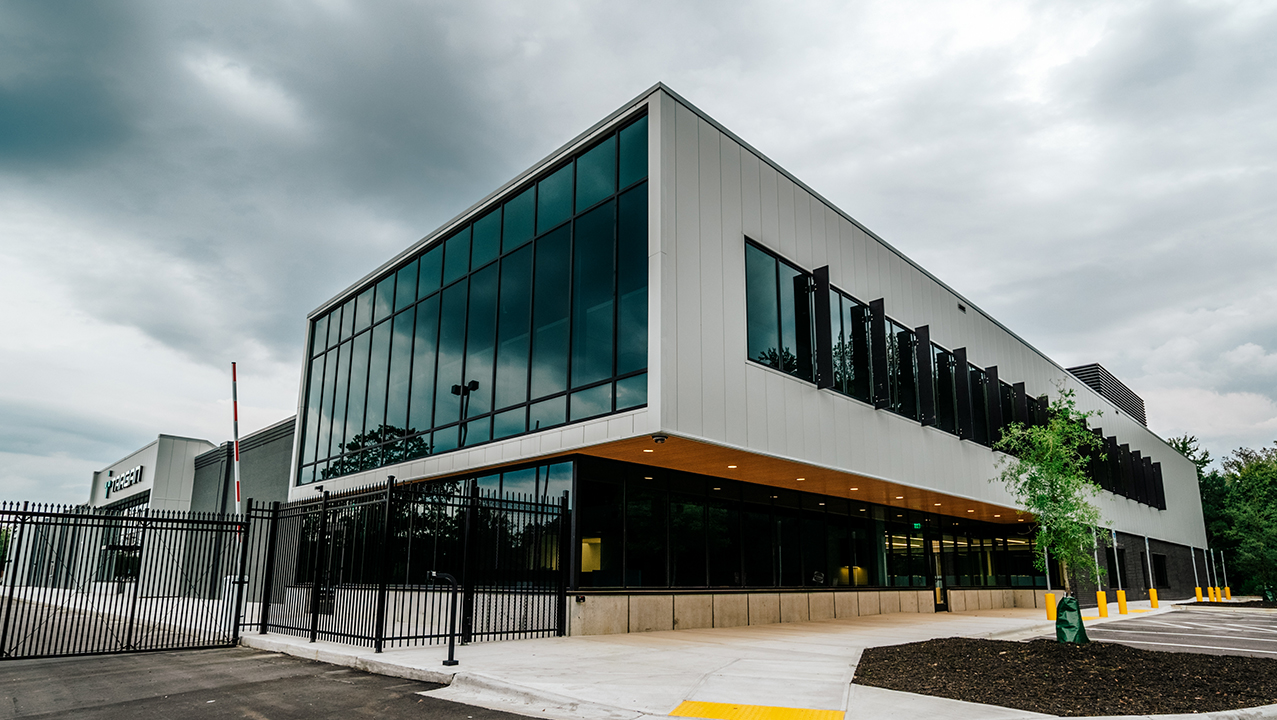
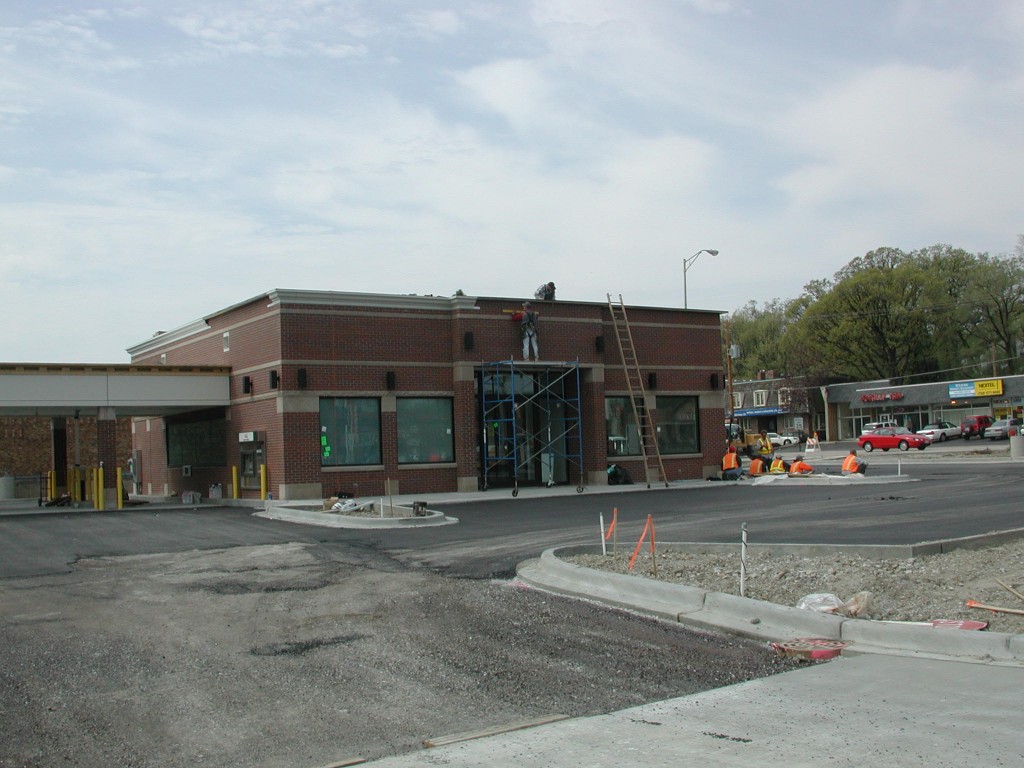
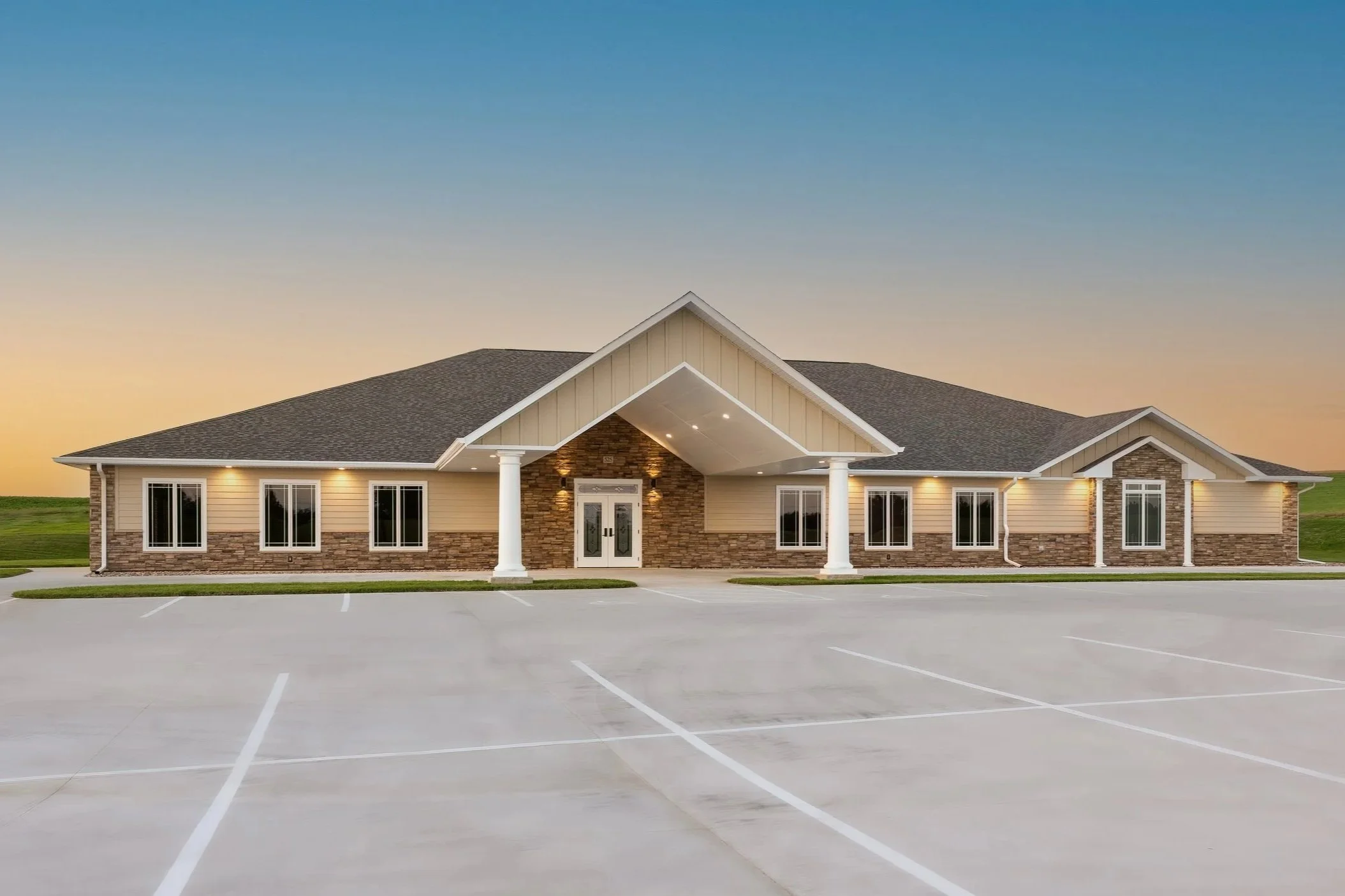
A funeral home is one of the few commercial buildings where the roofing crew has to be nearly invisible. Families arrive on no schedule of their own, services fill the chapel on short notice, and the last thing a grieving family should hear is a tear-off saw running over the visitation room. We approach mortuary roofing in Fresno the way we'd want it handled for our own families: quietly, on a calendar fit to the funeral director's week, and with the building left dignified and dry every single evening. Fresno's established funeral homes cluster along the older residential corridors near the Tower District, the Olive Avenue and Blackstone corridors, and the Belmont and Kings Canyon arterials, while newer chapels have followed population growth toward Clovis and the northeast edge of the metro. Wherever the building sits, the operating reality is the same, it is rarely empty, and it carries community expectations that a standard reroof crew rarely thinks about.
Why mortuary roofs are not ordinary flat roofs
The preparation room is what separates a funeral home from any other small commercial building. Embalming and prep spaces run under continuous negative pressure to pull formaldehyde and other chemical vapors away from staff, and that air is dumped through a rooftop exhaust stack that cannot be capped, blocked, or shut off for the convenience of a roofing schedule. Before we touch the membrane near that stack, we locate it, treat it as its own flashing scope, and confirm with the director that exhaust stays live throughout the work. The chemistry that keeps the prep room compliant is also why the deck below it deserves a careful look, years of warm, vapor-laden exhaust passing the curb can quietly degrade fasteners and insulation right where you'd least want a hidden leak.
Above the public side of the building, chapel and visitation roofs often run 40 to 60 feet of clear span with no interior columns, the same long-span geometry you find in a church sanctuary. Those spans generate real wind-uplift loads, so the fastening pattern and membrane attachment have to be specified to the actual deck and span rather than copied from a strip-mall detail. Many of Fresno's older funeral homes were built decades ago and still carry built-up roofing on wood or lightweight concrete decks. On those buildings we core-sample and run a moisture survey before anyone discusses a recover, because wet insulation hiding under a surface that still looks serviceable is the single most common surprise on this building type.
The realities we plan around in Fresno
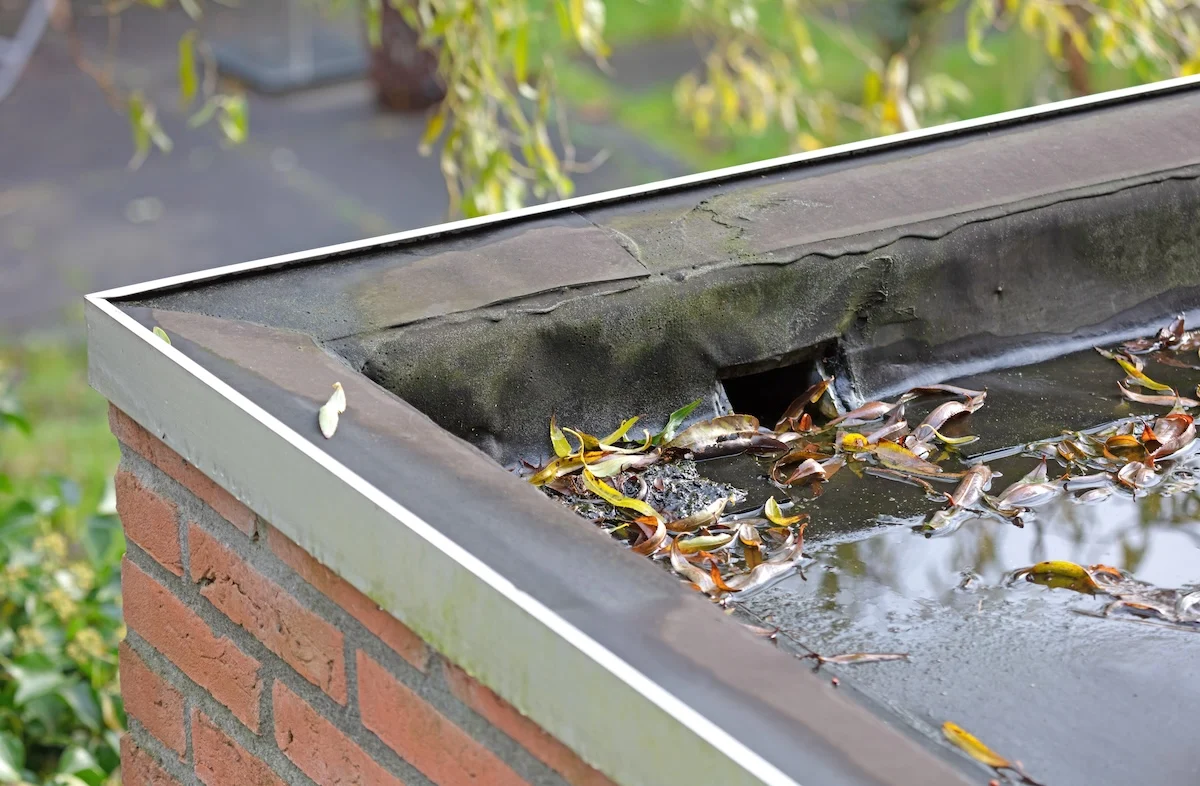
Three things shape every mortuary roofing project we scope here. First, occupancy never really stops, visitation runs into the evenings, weekend services are routine, and a death call can put the building into use with little notice, so the work plan has to flex. Second, appearance matters in a way it doesn't on an industrial roof; the porte-cochere, the entry canopy, and the visible parapet are part of how a family experiences the building, and they have to stay clean and intact while we work behind them. Third, Fresno's Central Valley climate is hard on low-slope roofs in a specific way, long stretches of intense summer heat drive thermal cycling that opens older seams, and the concentrated winter rains that roll in off the Pacific find every under-drained low spot at once. A roof that ponds quietly all summer becomes the roof that leaks into the chapel ceiling during the first real storm.
How we keep the building dignified and dry
We build the funeral director's calendar into the scope before we ever price the job, not as a change order afterward. Active service and visitation areas are protected and kept clear of noise during services, material staging is kept out of the family entry and chapel sightlines, and daily dry-in is confirmed before the building closes each evening so there is never an open roof over an occupied space overnight. The porte-cochere and covered entry canopy get inspected as their own scope items, because the canopy-to-wall transition is a chronic leak point on older funeral homes that replacing the field membrane alone will never fix.
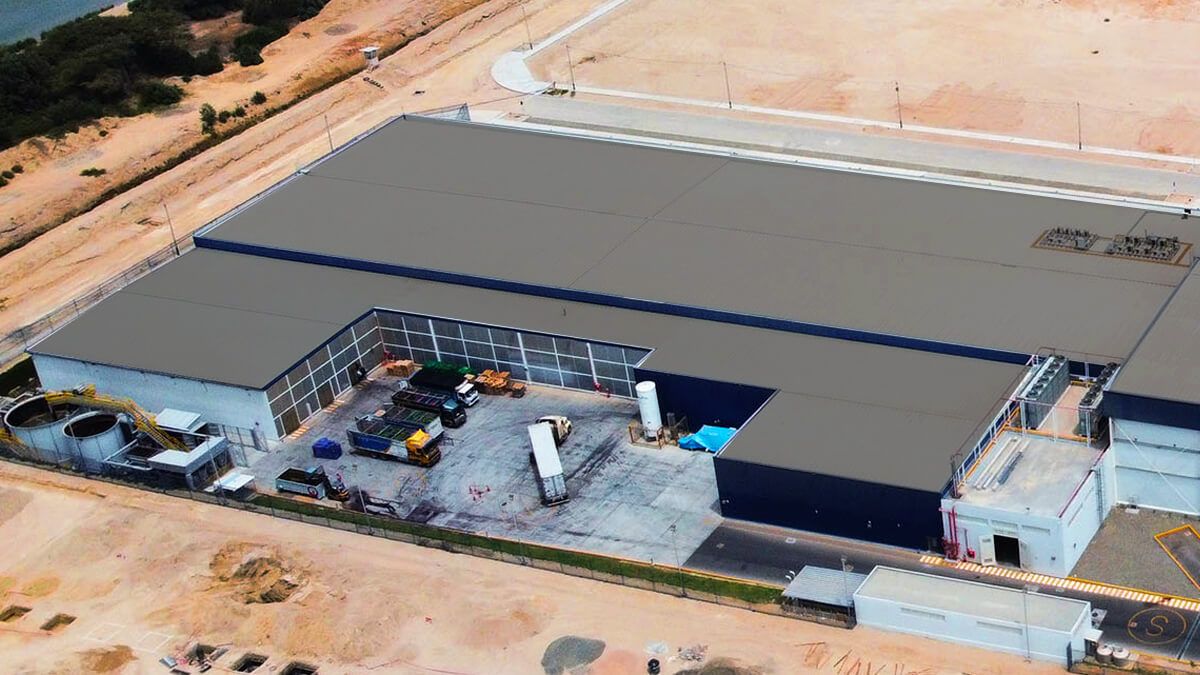
For most flat-roof funeral homes in Fresno we specify a 60-mil membrane over tapered polyiso insulation, which corrects the drainage deficiencies that cause summer ponding and gets standing water off the roof before winter. On wood-decked chapel sections we confirm load capacity and fastener pull-out before settling on insulation thickness and attachment. The goal throughout is a roof the staff never has to think about again, installed without disrupting the families the building serves.
Funeral Home & Mortuary Roofing Questions
How do you work around funeral services and visitation schedules?
We work from the director's weekly calendar and get advance notice of scheduled services and visitations. Work is sequenced so active service areas stay protected and free of construction noise during services, and we stay out of the chapel and primary entry during service hours. Daily dry-in is confirmed before the facility closes each evening.
How do you handle the preparation room exhaust stack?
The prep-room exhaust stack stays operational throughout the project. We locate it before mobilization, plan its flashing as a separate scope item with the director's sign-off, and keep continuous exhaust running during any work within roughly ten feet of it. The stack is never blocked, capped, or taken offline for roofing convenience.
What membrane system do you specify for a funeral home?
Typically 60-mil TPO mechanically attached over tapered polyiso. The taper corrects the drainage problems common on older Fresno buildings and clears the ponding water that shortens membrane life on under-drained low-slope roofs. On wood-decked chapel sections we confirm load capacity before specifying insulation thickness.
Do you handle chapel and sanctuary roof spans?
Yes. Clear-span chapel roofs carry the same long-span fastening requirements as a church sanctuary. We evaluate deck type, span, and existing attachment, then specify the reroof system to match, steel and wood decks each need their own pull-out testing or structural documentation before we finalize the attachment design.
Can you work on the porte-cochere and covered entry canopy?
Yes. The porte-cochere and entry canopy are part of every inspection. The canopy-to-building transition flashing and the canopy drainage connections are evaluated as discrete scope items because they are a frequent source of chronic leaks on older facilities.
Get a Fresno commercial roof scope you can act on.
If you manage a funeral home or mortuary anywhere in the Fresno area, we'll walk the roof, review any interior staining, check the prep-room exhaust and the entry canopy, and give you a clear, photo-backed scope you can plan around without disrupting the families you serve.