Car Wash Roofing Built for a Constant Steam Bath in Fresno
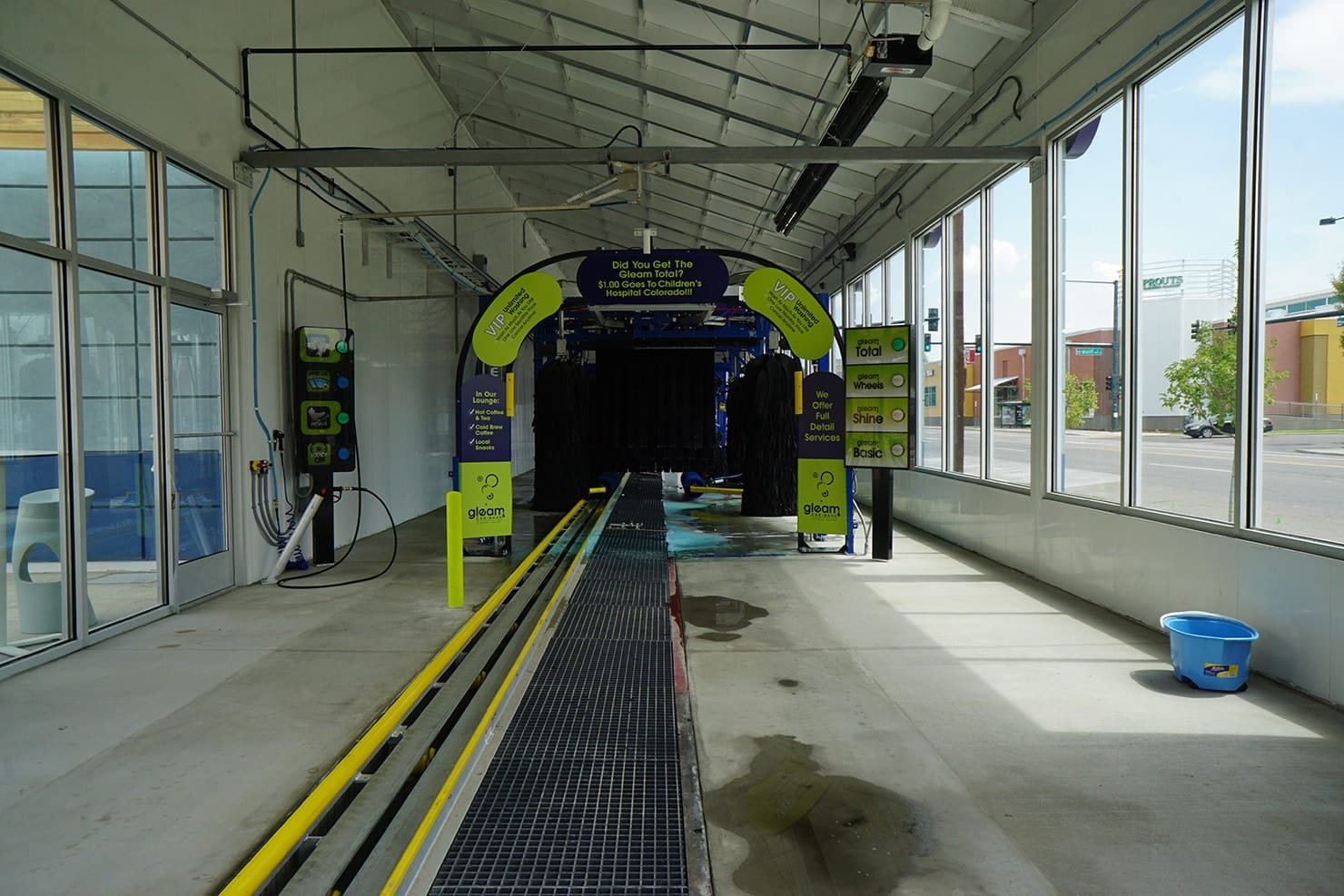
A car wash is one of the few commercial buildings where the roof is attacked from the inside as hard as it is from the outside. Hot water, alkaline detergents, foaming presoaks, tire-dressing aerosols, and carnauba wax all turn to vapor the moment they hit a warm vehicle, and that vapor rises straight to the underside of the deck. We roof express tunnels, in-bay automatics, and self-serve operations across Fresno, and on every one of them the wash bay is treated as a different building than the equipment room or the customer lobby. The roofing realities here have almost nothing in common with a standard retail flat roof.
Fresno gives a car wash plenty of business and plenty of weather to fight. The high-traffic auto retail along Blackstone Avenue, the dense rooftop equipment counts on the commercial pads near River Park and along Shaw Avenue, and the steady volume off the Highway 99 commuter corridor all keep wash tunnels running seven days a week. Then the Central Valley summer pushes deck-surface temperatures well past 150 degrees while the tunnel below stays saturated, so the membrane lives in a daily swing between a sauna underneath and a furnace on top. That combination is what cracks seams and corrodes fasteners on systems that were never specified for it.
Why the Wash Bay Deck Is the Highest-Risk Roof in the Building
The single biggest mistake we see on Fresno car wash roofs is a membrane chosen for price instead of chemistry. Most single-ply systems carry warranty exclusions for chemical exposure, and the detergents used in a modern tunnel are exactly the chemistry those exclusions are written around. The vapor condenses on the underside of the deck and on the cold side of any rooftop curb, which means corrosion starts where no one is looking until a fastener backs out or a deck flute rusts through.
- Vapor drive from below. Continuous interior humidity pushes moisture up into the assembly. Without a proper vapor retarder and sealed deck, that moisture condenses inside the insulation and rots the assembly from the inside out, with no surface leak to warn you.
- Chemical attack on seams and metal. Alkaline detergents and wax compounds degrade the plasticizers in some membranes and corrode unprotected edge metal and fasteners. We specify systems and termination details rated for that exposure rather than hoping a generic warranty holds.
- Exhaust plume fallout. The high-volume exhaust fans that clear steam from the tunnel deposit chemical particulate right back onto the surrounding membrane and any adjacent rooftop units.
Membrane We Specify for Tunnels and Bays
For the wash bay itself we lean toward 60-mil PVC, fully adhered or fleece-back, because PVC stands up to the alkaline detergent and wax chemistry far better than standard TPO or EPDM over the long haul. Fully adhered also eliminates the membrane flutter that tunnel air pressure causes on mechanically attached systems and removes a fastener field that vapor loves to corrode. Before we commit to a system we ask for the facility's actual chemical program, because the presoak and wax menu drives the spec. The non-tunnel areas, the equipment room, the lobby, and the office, can usually run a more conventional single-ply.
Drainage, Canopies, and the Penetrations That Actually Leak
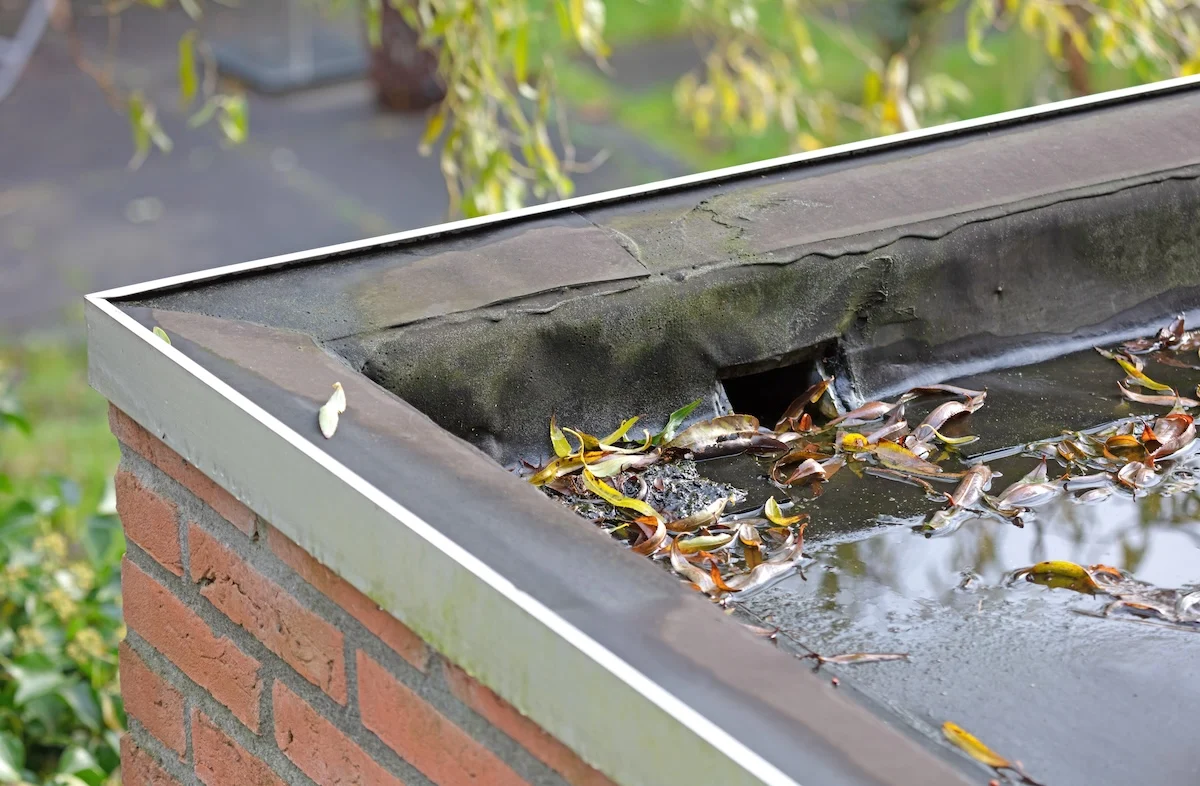
In-bay and self-serve operations rarely have the chemical load of a full express tunnel, but they tend to have drainage problems instead. Low spots above the equipment bays pond water, and ponding plus Fresno's hard summer UV ages a membrane fast. We check slope and drain placement on every car wash inspection and add tapered insulation where the deck has flattened out over the years.
The vacuum canopies and pay-station canopies on the exit side are their own failure points. They take vehicle exhaust, tire-dressing overspray, and full outdoor thermal cycling, and the spots that fail first are almost always the canopy-to-building transition and the canopy drain connections. We scope these structures, their gutters, and their flashings as part of the job, not as an afterthought.
Exhaust and Equipment Curbs
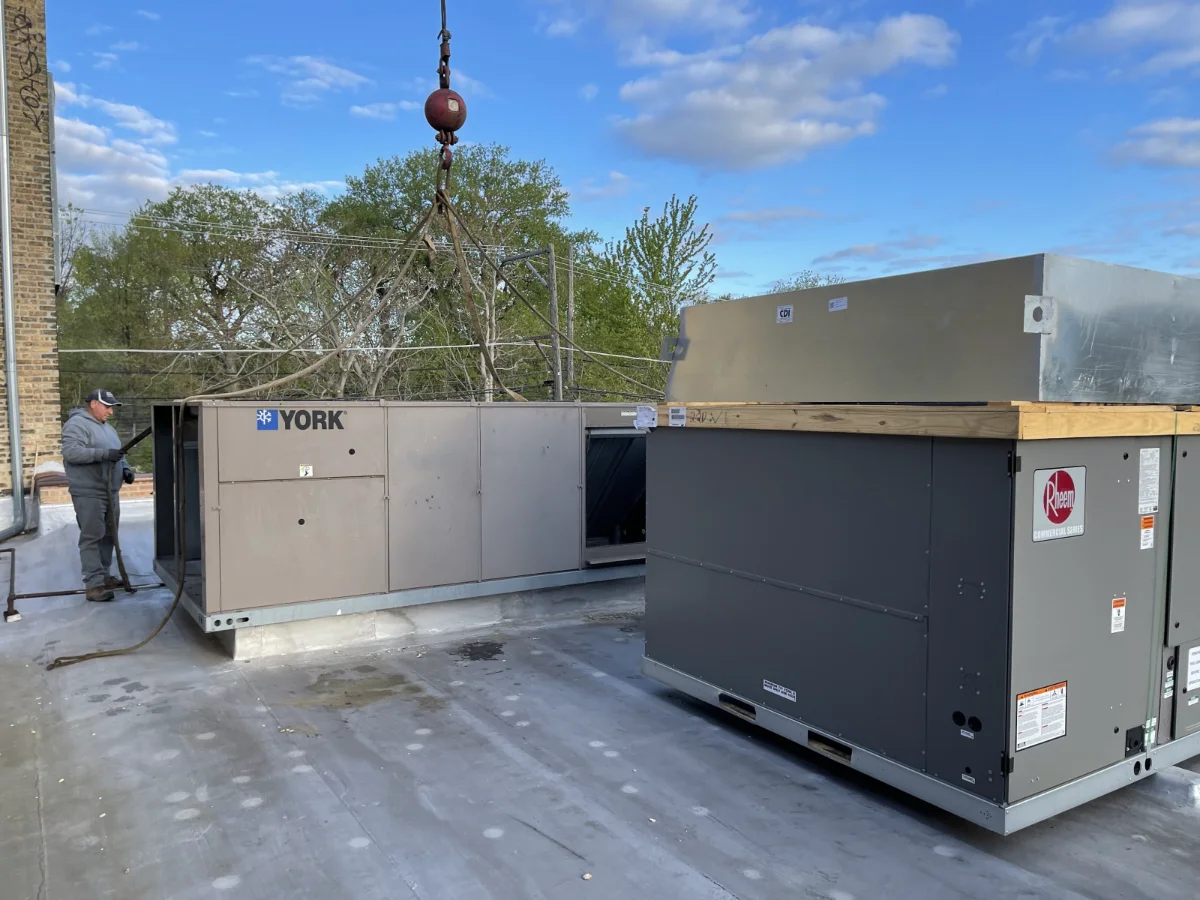
The big exhaust fans over a tunnel need oversized curbs and flashing details built for constant airflow and chemical exposure. A standard HVAC curb detail will not survive here. We evaluate every penetration on its own and match the flashing to the equipment and the operating conditions, because one undersized curb is enough to undo an otherwise sound roof.
Keeping the Wash Open While We Work
Most Fresno car washes cannot afford to close, so we sequence around the operation. Tunnel roof work is staged during the early-morning or late-evening close window, and exterior building and canopy work runs during business hours with traffic control that keeps cars clear of the crew. Each section is dried in before we leave it, so a surprise Valley thunderstorm never finds an open deck.
Car Wash Roofing Questions
What membrane do you put on a car wash tunnel bay?
Usually 60-mil PVC, fully adhered or fleece-back, because PVC resists the alkaline detergents and wax compounds in a commercial wash far better than TPO or EPDM. Adhered installation kills the membrane flutter from tunnel air pressure and removes the fastener field that interior humidity corrodes. The lobby, office, and equipment room can run a more standard single-ply.
Will tunnel chemicals void my roof warranty?
They can. Most single-ply warranties exclude chemical exposure, so before we spec a system we confirm with the manufacturer that your specific presoak and wax program is compatible and that the warranty covers your conditions. Some manufacturers offer dedicated chemical-exposure or car-wash warranties, and we identify those options up front.
How do you handle the steam exhaust penetrations?
The high-volume tunnel exhaust fans get oversized curbs and flashing built for continuous airflow and chemical fallout. Standard HVAC curb details are not adequate. We treat each penetration as its own item and match the detail to the equipment.
Can the work happen while we stay open?
Yes. Tunnel roof work is staged during your early-morning or late-evening close window, and building and canopy work runs during business hours with traffic control. Every section is dried in before we leave it.
Do you cover the vacuum and pay-station canopies?
Yes. Vacuum canopy covers, customer canopy roofs, their gutters and downspouts, and the canopy-to-building transitions are all part of the scope. Those transitions are the most common chronic leak on Fresno express washes.
Get a Car Wash Roof Scope You Can Act On
We will walk your tunnel, equipment room, and canopies, document the chemical exposure and drainage, and give you a clear repair, recover, or replacement recommendation tuned to how your Fresno wash actually runs.