Bank & Financial Building Roofing in Fresno, CA
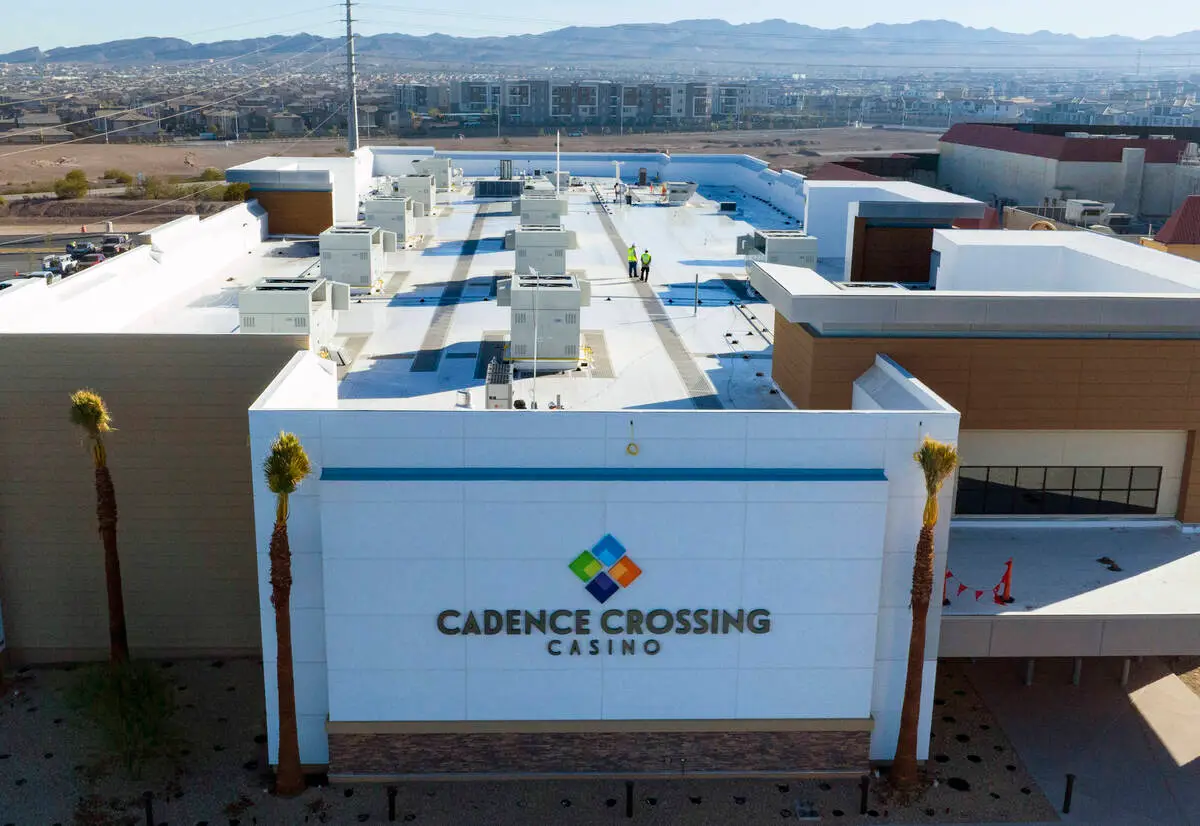
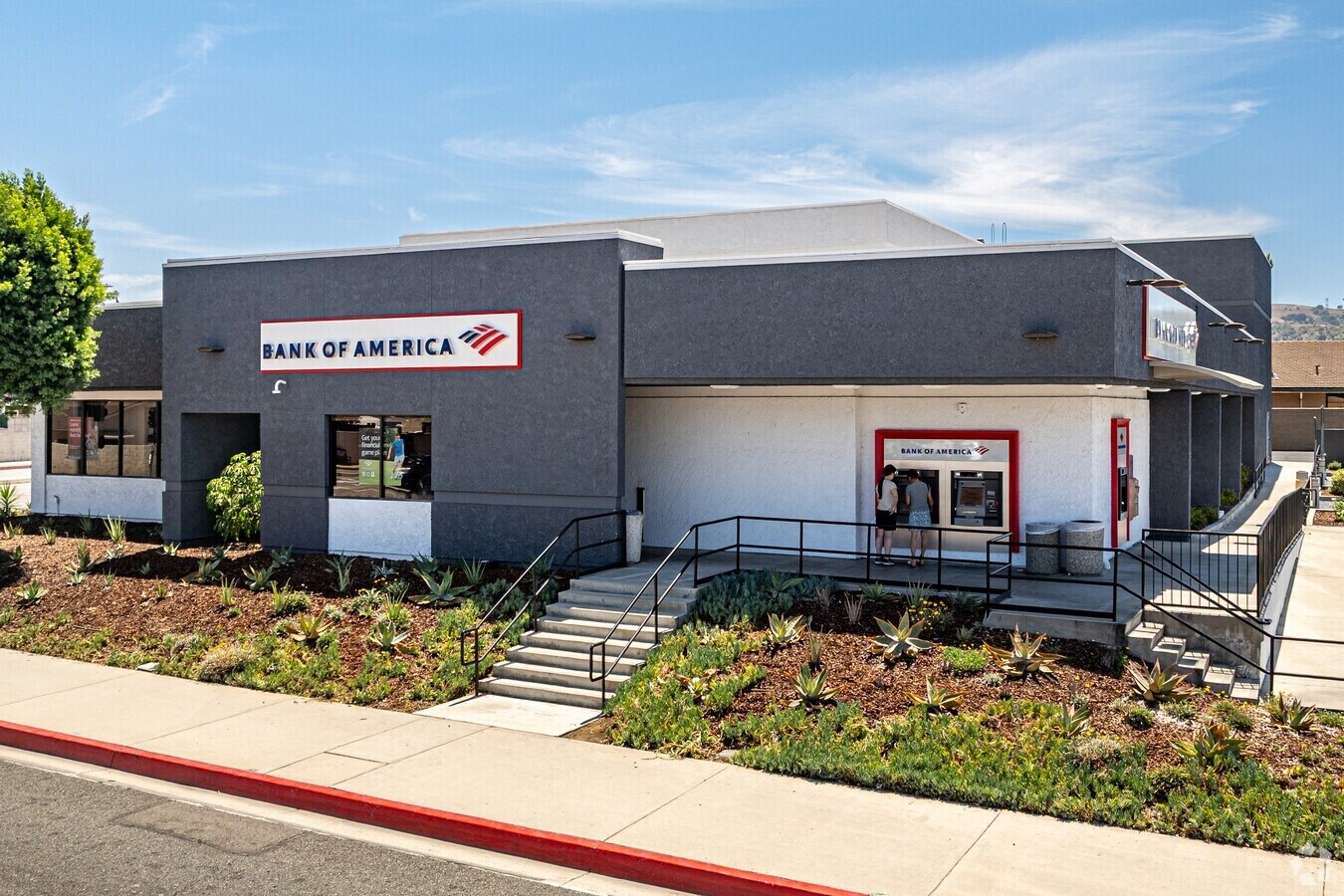
A bank roof is small, highly visible, and unforgiving. The footprint of a branch is modest, but it sits on a hard corner where customers see it every day, and underneath that membrane are the things a financial institution cannot afford to get wet: the vault, the server room, and the customer-facing floor. A leak that would be a maintenance ticket in a warehouse is a same-day business problem in a bank. We scope financial-building roofing in Fresno around that reality, tight, conspicuous flat roofs that have to stay perfect, on buildings that run strict hours and often gate contractor access for security. Branches and financial offices are scattered across the metro's commercial spines: the Blackstone and Shaw corridors, the River Park and Fig Garden retail districts, the downtown banking offices near the county and federal buildings, and the newer pads following growth out toward Clovis. Credit unions, community banks, and the regional facilities of the national chains all share the same pressures.
The drive-through canopy is the weak point
For all its small size, a bank roof tends to carry more penetrations than the footprint suggests. Drive-through canopy transitions, ATM kiosk enclosures, a generator transfer-switch room with rooftop exhaust, and precision air-conditioning units over the server room all create their own flashing details. And one of them fails far more often than the rest: the drive-through canopy where it meets the building wall. That junction sees constant thermal cycling, overspray from vehicles, and differential settlement between a lightweight canopy and the main structure, and the standard retail flashing detail simply isn't built to take that movement year after year. On Fresno branches it is the single most common chronic leak source, and it is never solved by replacing the field membrane, we treat the canopy-to-wall transition as its own scope item and re-flash it with a detail designed for the movement it actually sees.
The Fresno realities that shape the job
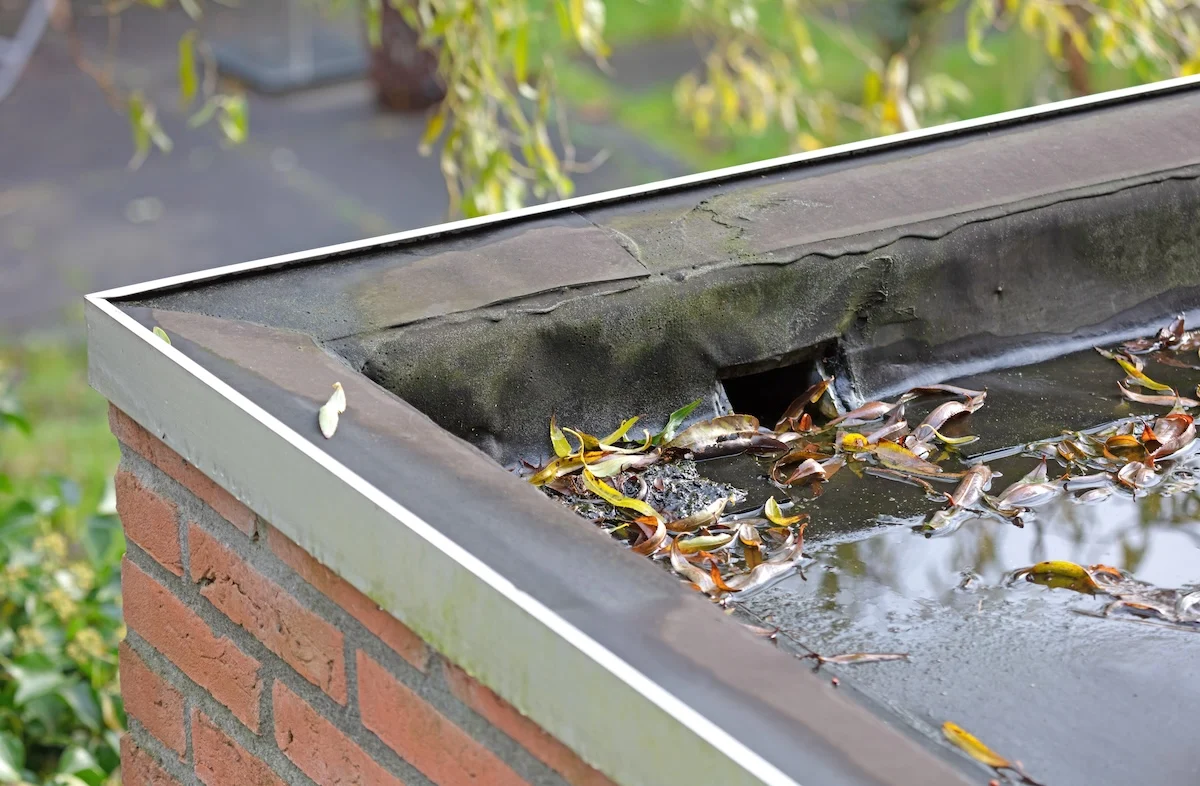
Three factors govern how we plan bank work here. First, the building is occupied during business hours with sensitive operations below, so active tear-off and installation are concentrated into off-hours and weekends with daily dry-in confirmed before the doors open. Second, security is a real constraint, not a formality, contractor badging, escort requirements near vault-adjacent areas, and camera documentation of crew activity are standard at bank-owned properties, and we build the credentialing timeline into the bid rather than discovering it after the contract is signed. Third, the Central Valley climate works on these small roofs hard: long, intense summer heat drives the thermal cycling that opens that canopy joint and stresses edge metal on a high-visibility parapet, and the concentrated winter rains find any under-drained low spot fast. On a roof this small, a single blocked scupper or one failing canopy seam puts water over a vault or a teller line in a hurry.
Working over vaults, and across a portfolio
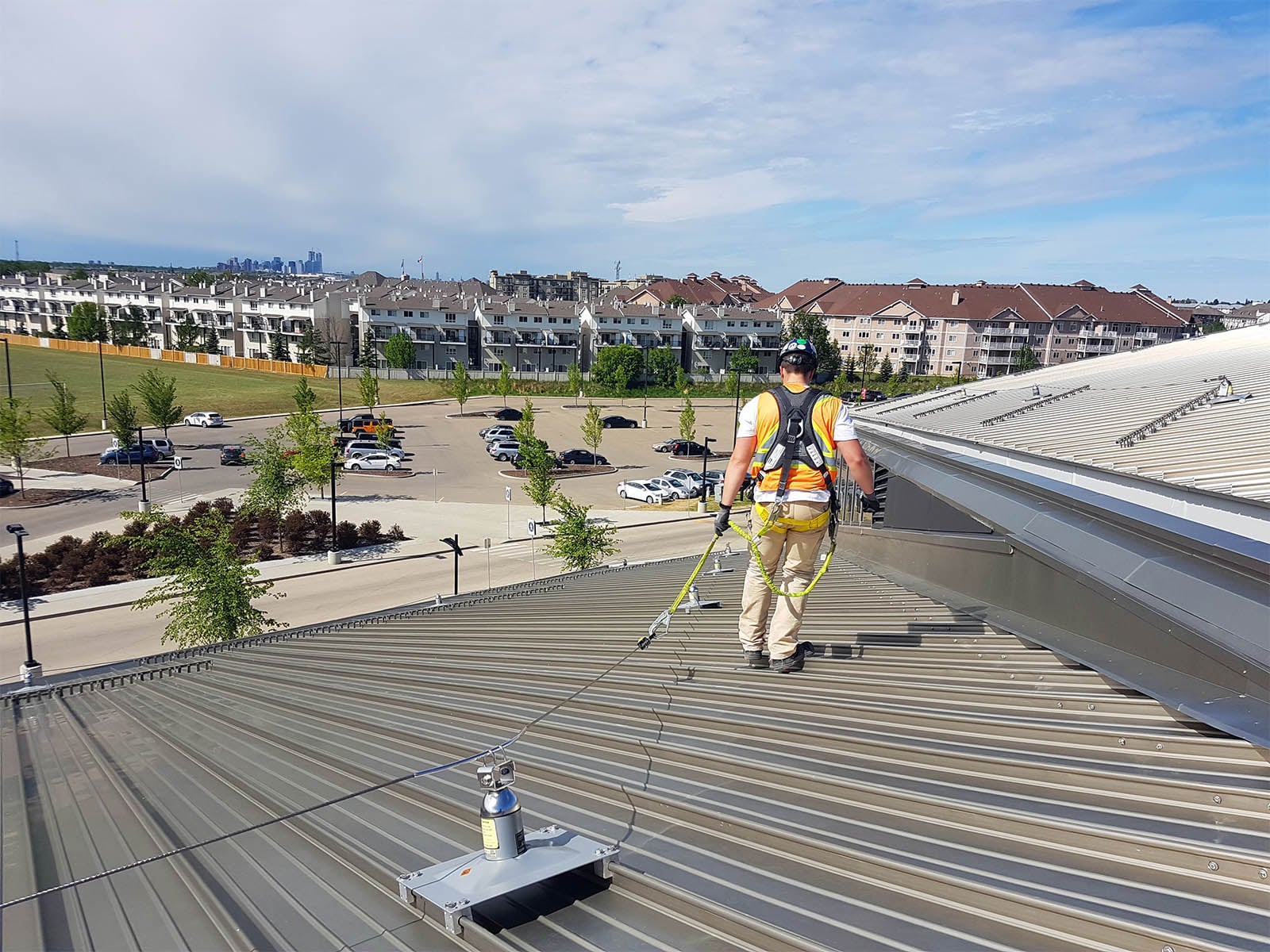
Vault-adjacent roofing is routine and entirely manageable with the right preparation. We locate vault and server-room positions from the building drawings before mobilization, sequence work over those zones into approved windows, and confirm with the security team that vibration and temporary access changes won't affect active operations. Most financial institutions in Fresno hold more than one location and run real estate through a centralized facilities group, so portfolio roofing is common: a regional bank with a dozen branches or a national institution with sites across the state gets standardized scoping, documentation, and pricing with a single project-management contact. We work inside each institution's vendor-management process, insurance and license verification before mobilization, a preconstruction safety plan, daily work and dry-in reports, manufacturer warranty registered in the owner's name, and a final permit and inspection package, and just as readily directly with the community banks and credit unions managing a single building.
Bank & Financial Building Roofing Questions
How do you schedule roofing work around bank operating hours?
We concentrate active tear-off and installation into off-hours and weekends, with daily dry-in confirmed before business opens. Work windows, noise limits during customer-service hours, and any security-escort requirements for roof access are coordinated with the branch manager and corporate facilities team.
How do you handle the drive-through canopy-to-building connection?
As its own flashing item, separate from the field membrane. We evaluate the canopy-to-wall transition independently, and if it's deteriorated we re-flash it with a detail built for the differential movement these connections experience. It's the most common chronic leak on a bank branch and it's never fixed by replacing the field membrane alone.
What documentation do financial institutions require?
Typically contractor insurance certificates and license verification before mobilization, a preconstruction safety plan, daily work and dry-in reports, manufacturer warranty registered in the owner's name, and a final permit and inspection package. We work within each institution's vendor-management process for approved-contractor registration.
Can you work on buildings with active vaults or security-sensitive areas below?
Yes. We identify vault and server-room locations from the drawings before mobilization, sequence work on those roof zones into approved windows, and confirm with the security team that vibration or temporary access changes won't affect active operations.
Do you handle multi-site bank roofing programs?
Yes. Portfolio programs, a regional bank with twenty branches or a national institution with locations across the state, are a regular part of our work. We provide standardized scoping, documentation, and pricing across the portfolio with a single project-management contact for the corporate facilities team.
What about the edge metal and parapet on a high-visibility branch?
On a small corner branch the parapet and edge metal are as much a curb-appeal item as a watertightness one, and Fresno's summer thermal cycling works the edge metal hard. We inspect coping, fascia, and the parapet membrane termination as part of the scope, re-secure or replace failing edge metal to current wind-design requirements, and keep the finished edge clean and straight because it's the part of the roof customers actually see from the drive lane.
Do ATM kiosks and night-deposit enclosures get included?
Yes. Freestanding ATM kiosks and night-deposit enclosures carry their own small roof or canopy and their own flashing and drainage connections, and they're easy to overlook on a quick walk. We document each one, check its transition back to the main structure, and fold any needed flashing work into the scope so a leak doesn't show up over the equipment after the main roof is done.
Get a Fresno commercial roof scope you can act on.
Whether you manage one branch or a portfolio across the Valley, we'll inspect the roof and the drive-through canopy, check drainage over your vault and server areas, and deliver a security-coordinated scope and the documentation your facilities team needs.