Airport Terminal & Aviation Facility Roofing in Fresno, CA
Airport roofing runs on the airport's clock, never the contractor's. Fresno Yosemite International Airport (FAT) is the Central Valley's primary commercial gateway, with daily service from the major carriers and a mix of passenger, cargo, and general-aviation activity that doesn't stop for a roofing schedule. Every access point, material lift, and crew deployment on an aviation campus has to be coordinated with the airport's facilities department, the FAA Part 139 safety program, and in places TSA security protocols. We build that coordination into the scope before the contract is signed, because on an operating airfield it is the difference between a job that proceeds and a job that sits idle waiting for clearance. FAT's terminal program and the surrounding aviation infrastructure, cargo buildings, rental-car structures, FBO and maintenance hangars, and the relievers like Fresno Chandler Executive Airport (FCH) south of downtown, give the Fresno area a steady aviation roofing market shaped by the Valley's extreme heat and the operational rules that come with airspace.
What makes an aviation roof different
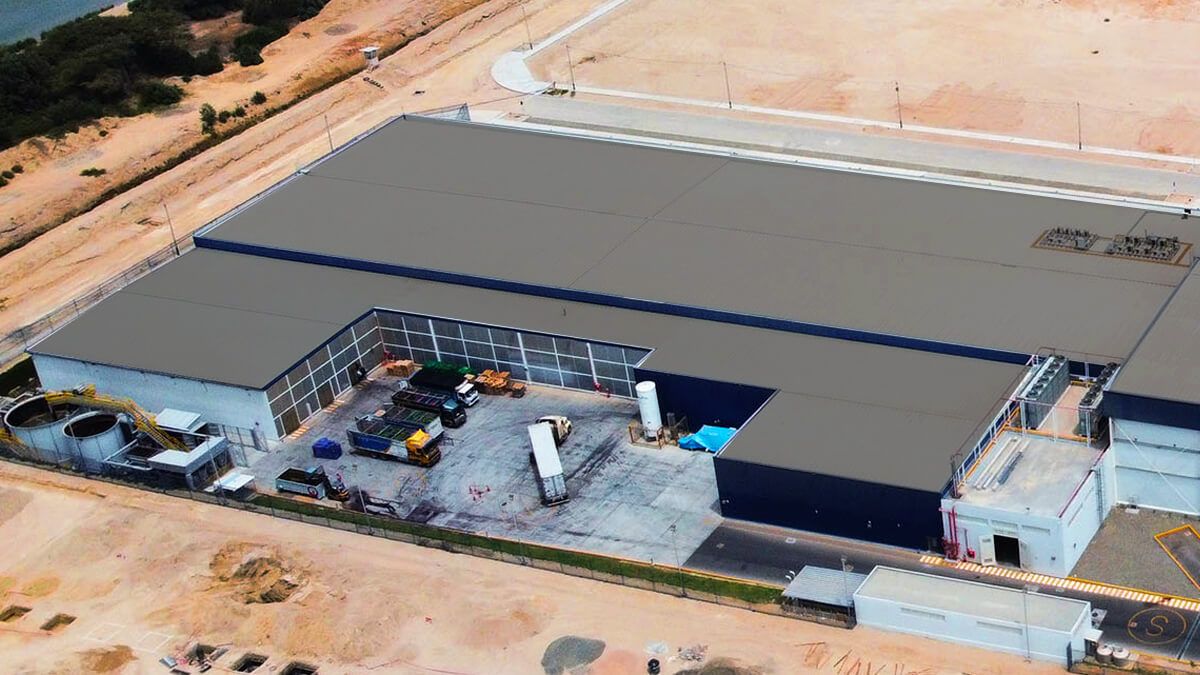
The roofs on terminals and aviation support buildings carry demands a comparable warehouse never sees. On airside roofs, jet blast and the open exposure of the airfield push wind-uplift forces well past standard commercial expectations, so membrane adhesion and ballast or fastening have to be specified for those loads, not for a sheltered logistics box. Terminal mechanical systems are dense and heavy, far more curbed penetrations than a typical commercial roof, and more flashing touchpoints to maintain over time. And terminals tend to be long, low-slope expanses with very little pitch, which makes drainage design critical and the tolerance for ponding effectively zero; a flat field that holds water through the summer is a field that leaks over a gate area in the first hard winter rain. These are known conditions for us, not lessons learned at the owner's expense.
The Fresno realities we plan around
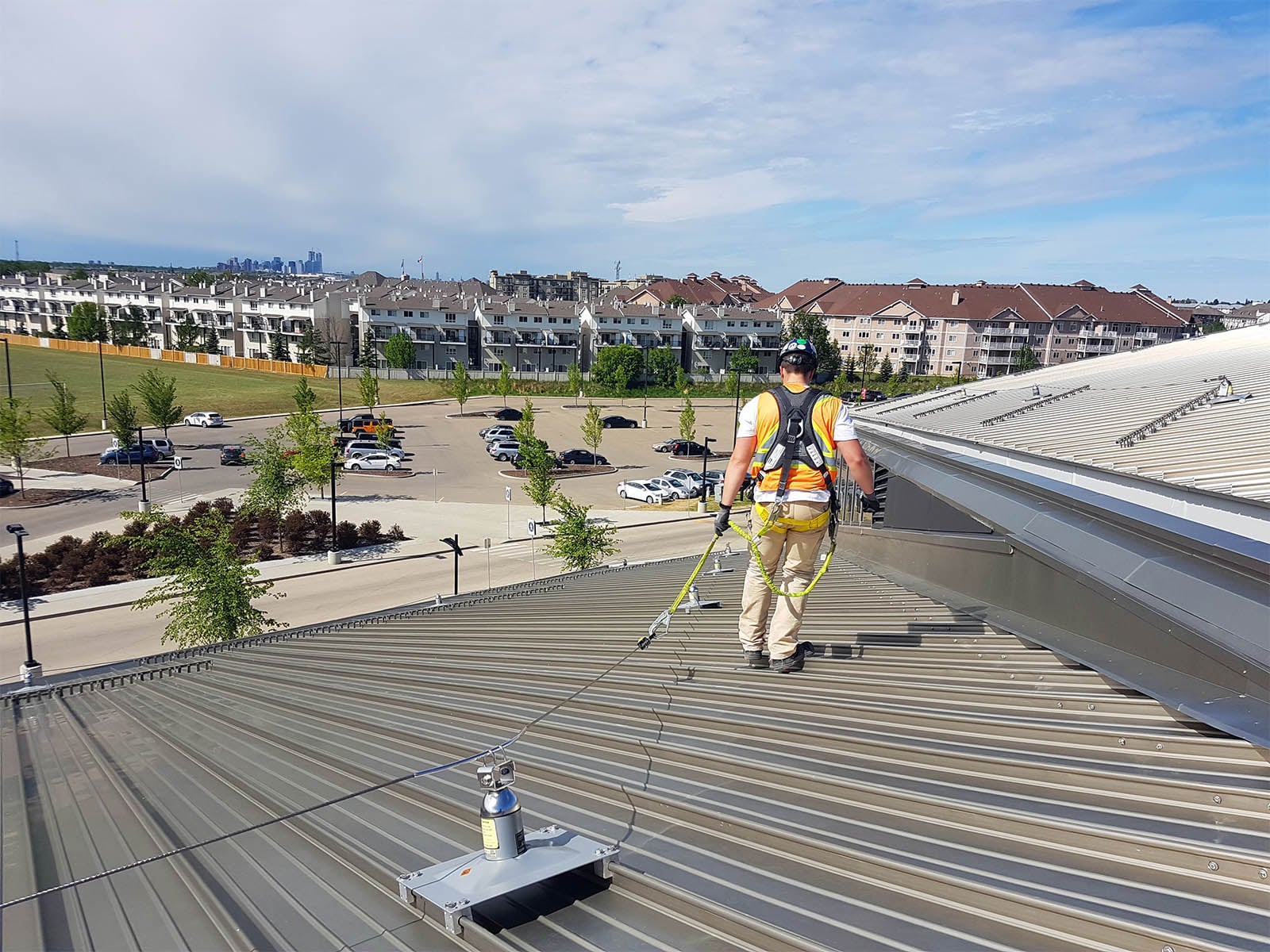
Three things govern aviation roofing here. First, the airport never closes, passenger operations, overnight cargo, and 24/7 facilities mean tear-off, lifts, and any airside activity happen only in approved windows coordinated with operations, and where required, with the FAA NOTAM process. Second, security and credentialing are absolute; badging and escort apply across the campus, not just at the terminal, and we plan crew authorization in advance rather than discovering it at the gate. Third, the Central Valley climate is unusually hard on these large roofs, the long, intense summer heat drives heavy thermal movement across wide membrane fields and stresses the seams and edge metal on big terminal expanses, while the concentrated winter rain season tests drainage on roofs that have almost no slope to give. Heat that bakes a dark terminal roof all summer and rain that arrives all at once in winter is exactly the combination that finds an under-drained low spot.
Beyond the terminal: hangars and support buildings
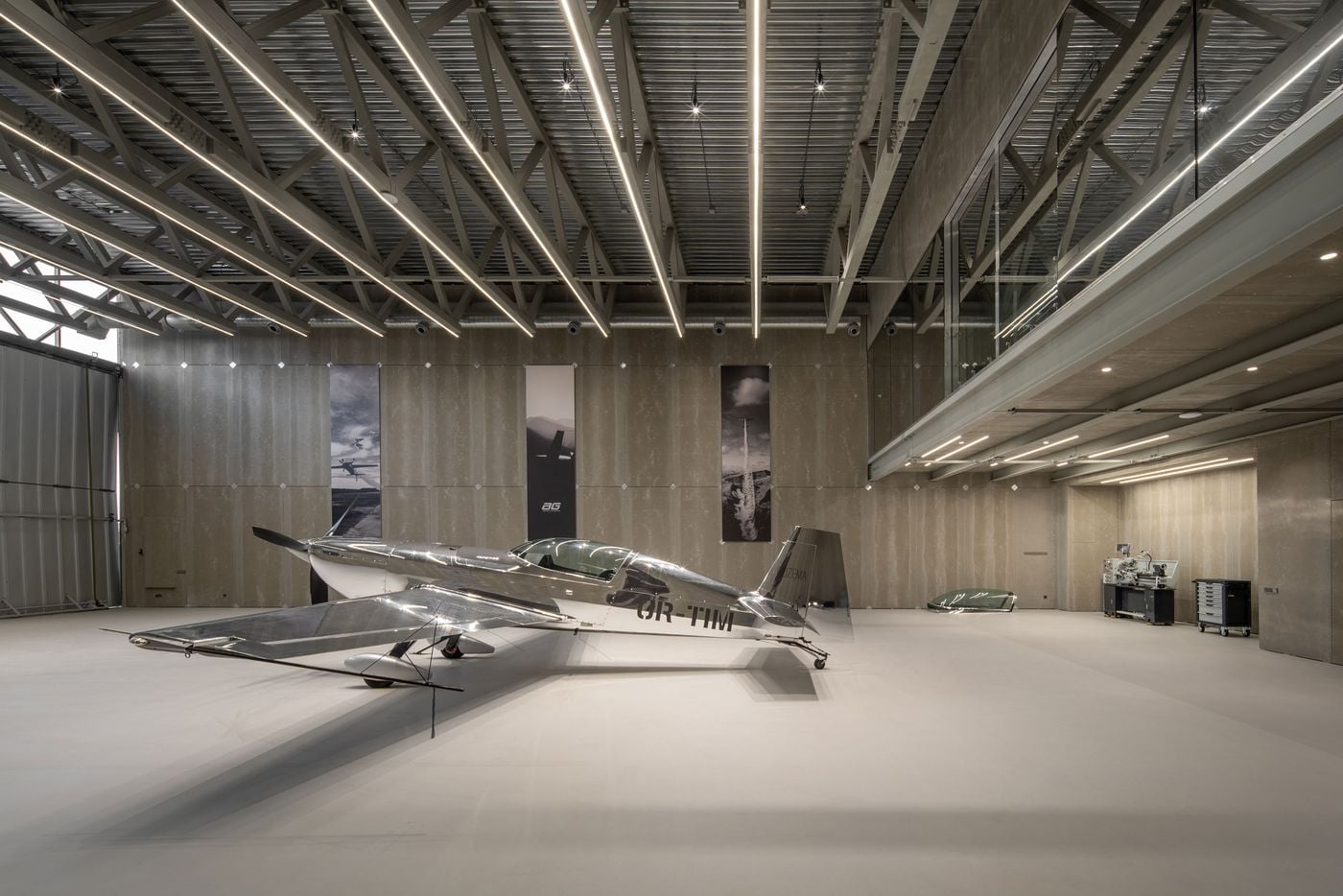
The campus is more than the passenger terminal. Cargo facilities, rental-car centers, FBO hangars, and aircraft-maintenance buildings each bring their own roofing problems, but the airport-coordination requirement never goes away, our crews treat badging and security access at any part of the field as non-negotiable. General aviation buildings shift the balance: the security protocols are lighter at an FBO or a reliever, but the structures are often more demanding to roof. High-bay hangars with wide-flange steel or pre-engineered building systems generate significant wind uplift and thermal movement across large clear spans, and the fastening pattern and seam geometry have to be specified for those loads. Whether it's a single private hangar or a multi-unit FBO complex, we spec and install those systems across the Fresno area.
Airport & Aviation Roofing Questions
How do you handle scheduling at an operating airport like Fresno Yosemite International?
We work with the airport facilities department and the FAA Part 139 coordinator on a phased plan approved by operations. Deliveries, crane lifts, and any airside work happen in approved windows and, where required, through the FAA NOTAM process. This is a standard part of our project setup, not an exception.
What roof systems are standard for large-span terminal roofs?
Most terminal reroofing uses a TPO or PVC single-ply membrane over a tapered insulation system to improve drainage and address ponding. For new high-bay aviation structures and hangars, standing-seam metal is often specified. The choice depends on the existing deck, load capacity, and operational constraints, and we develop the spec after walking the roof with your facilities engineer.
How do you handle the density of HVAC and mechanical penetrations on terminals?
Terminal mechanical density is well above standard commercial. Our pre-project survey documents every penetration, curb height, and clearance before we build the work plan, and flashing details for oversized curbs and complex through-penetrations are engineered individually rather than copied from a standard pattern.
Can you work on airside structures near active aprons and runways?
Yes, with appropriate badging and full coordination with airfield operations. Airside work requires a higher level of pre-planning and crew credentialing, which we build into the bid timeline. We do not mobilize crew without confirmed airside authorization.
Do you handle hangar roofing for FBOs and general aviation?
Yes. Hangar roofing, a single private bay or a multi-unit FBO complex, is a regular part of our work in the Fresno area. High-bay hangars on steel or pre-engineered systems have specific uplift and thermal-movement characteristics, and we specify and install for them.
How do you keep ponding off a near-flat terminal roof?
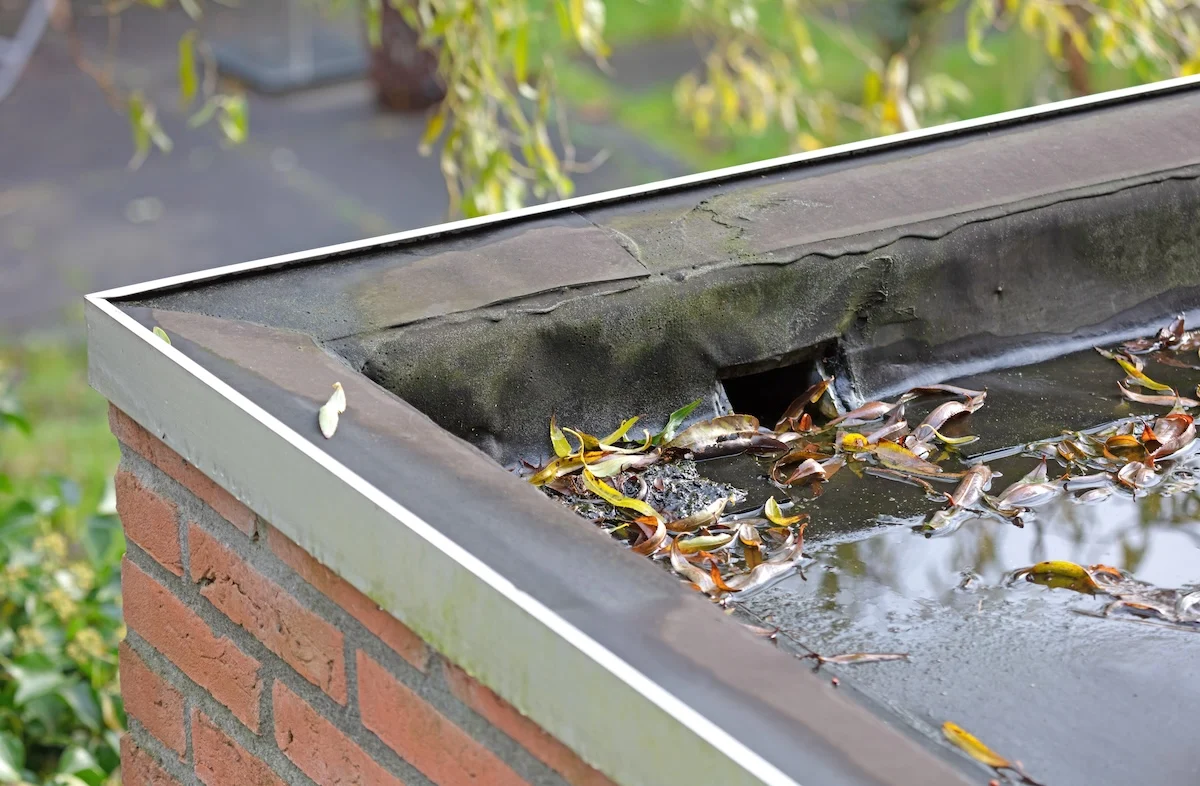
Terminal roofs have so little slope that drainage is engineered, not assumed. We map the existing drainage and the low spots during the survey, design a tapered insulation system to move water positively toward drains and scuppers, and size overflow drainage for the concentrated Valley rain season. Clearing summer ponding before winter arrives is the difference between a roof that ages on schedule and one that fails over a gate area.
Can you work without disrupting passengers or cargo operations?
Yes. We phase the work to keep active passenger areas, gates, and cargo flow clear, stage materials away from operational zones, and confirm watertight dry-in over occupied terminal space before each day ends. The plan is built with airport operations so the building keeps functioning around the work rather than the work shutting down the building.
Get a Fresno commercial roof scope you can act on.
If you manage a terminal, cargo building, FBO, or hangar in the Fresno area, we'll walk the roof with your facilities engineer, plan the security and operational coordination up front, and deliver a scope built for the loads and the 24/7 schedule an aviation campus demands.